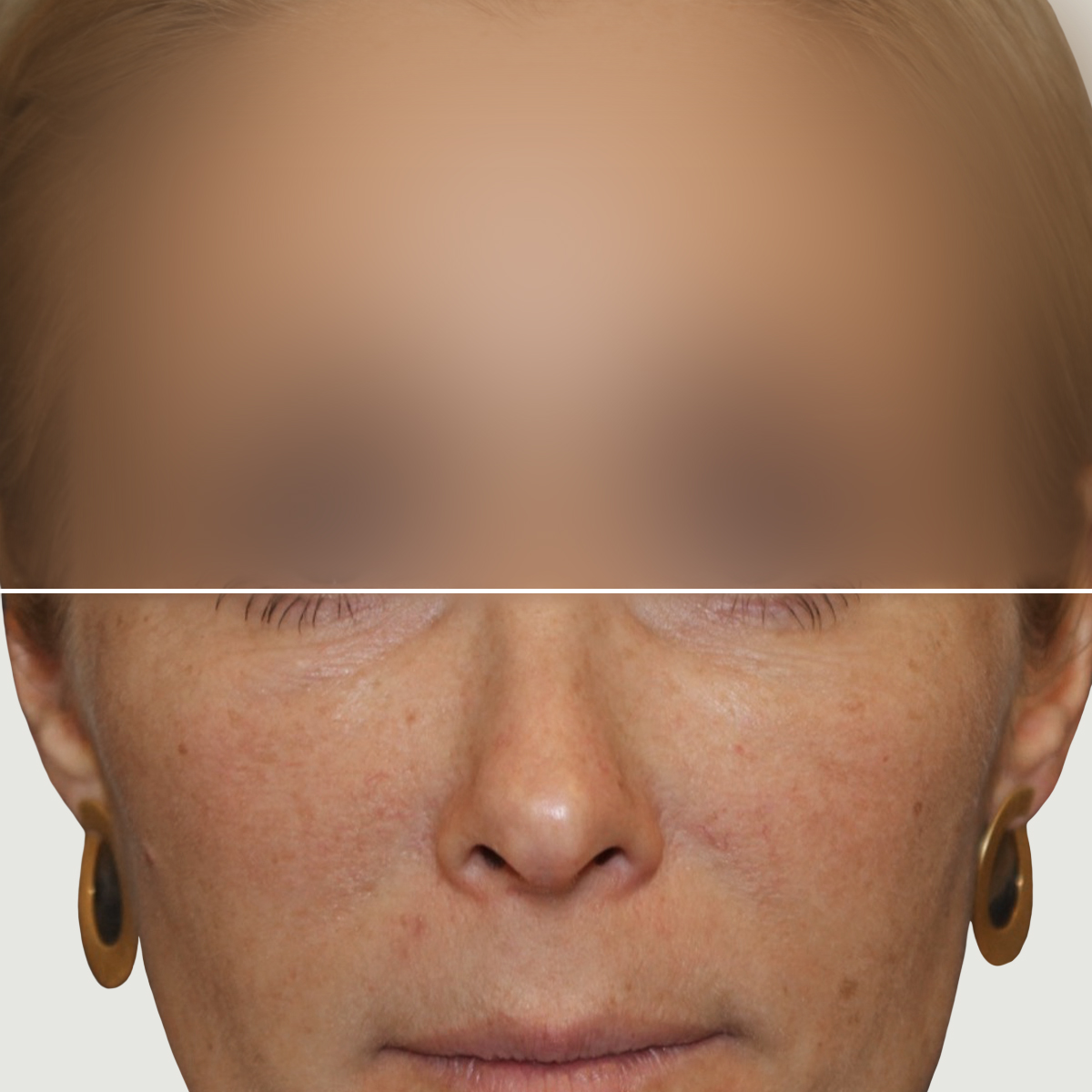
In lipoinjection, the body’s own natural fat tissue is used as a living filler. The principle is that your own fat is gently transferred from one area to another. This fat contains mature fat cells, stem cells, and growth factors, which not only provide added volume (filler effect) but also contribute to the regeneration and revitalisation of the skin. The filling effect in the deeper layers of the skin is visible immediately, while fine lines and wrinkles gradually soften over time.
The full effect develops over 6-12 months and lasts for many years. With lipoinjection, you achieve both restored volume and a rejuvenated appearance with improved skin quality.
“I felt safe throughout the entire process, and the result was both natural and beautiful. I could not be more satisfied – definitely a recommendation from me.”
Bodycontouring | BBL
The procedure consists of two steps performed during the same operation: first liposuction, followed by fat injection. To prevent the injected fat from breaking down, the liposuction is performed using a gentle, specialised technique. Fat is harvested from an area with adequate fat deposits (most commonly the thighs, lower back, or abdomen). The fat is then carefully purified before being injected in many small channels. Both the liposuction and the injection are performed using fine cannulas. The liposuction sites leave small, discreet scars of about 5 mm, while the injection areas typically show virtually no visible scarring.
You should expect that up to 50% of the injected fat may be reabsorbed by the body in the worst case – though in many cases, only a small percentage is lost. Some patients may require more than one treatment to achieve the desired result. The greatest reabsorption tends to occur after the first injection, especially when fat is injected into scar tissue. In subsequent procedures, the loss is usually significantly less.
Once the fat has been transplanted and integrated, it feels completely natural and the result is long-lasting. The fat cells that survive retain their properties. Typically, only small amounts of fat are used for the correction of age-related changes, meaning that minor weight fluctuations usually have little impact on the result. The transplanted fat feels natural, and the outcome is durable.
Not all women and men are suitable candidates for the procedure. To determine whether the technique is appropriate for you, it is important to have an individual consultation with a specialised plastic surgeon who can assess your options, understand your expectations, and plan the best possible treatment for you.
The technique is not suitable if you are a smoker (you are advised to stop using tobacco at least 4 weeks before and 4 weeks after the operation) or if you have known precancerous conditions or untreated skin cancer in the area to be treated.
Before the surgery, you will have a consultation with the specialist. During this appointment, the surgeon will examine you and provide detailed information about your treatment options, the procedure itself, possible aftereffects, and potential complications. Based on your expectations and the surgeon’s recommendations, the treatment plan will be tailored to you, and the specific area(s) for fat harvesting will be agreed upon.
You are welcome to bring a friend or family member to the consultation. If the procedure is considered purely cosmetic, there must be at least one week between the consultation and the surgery.
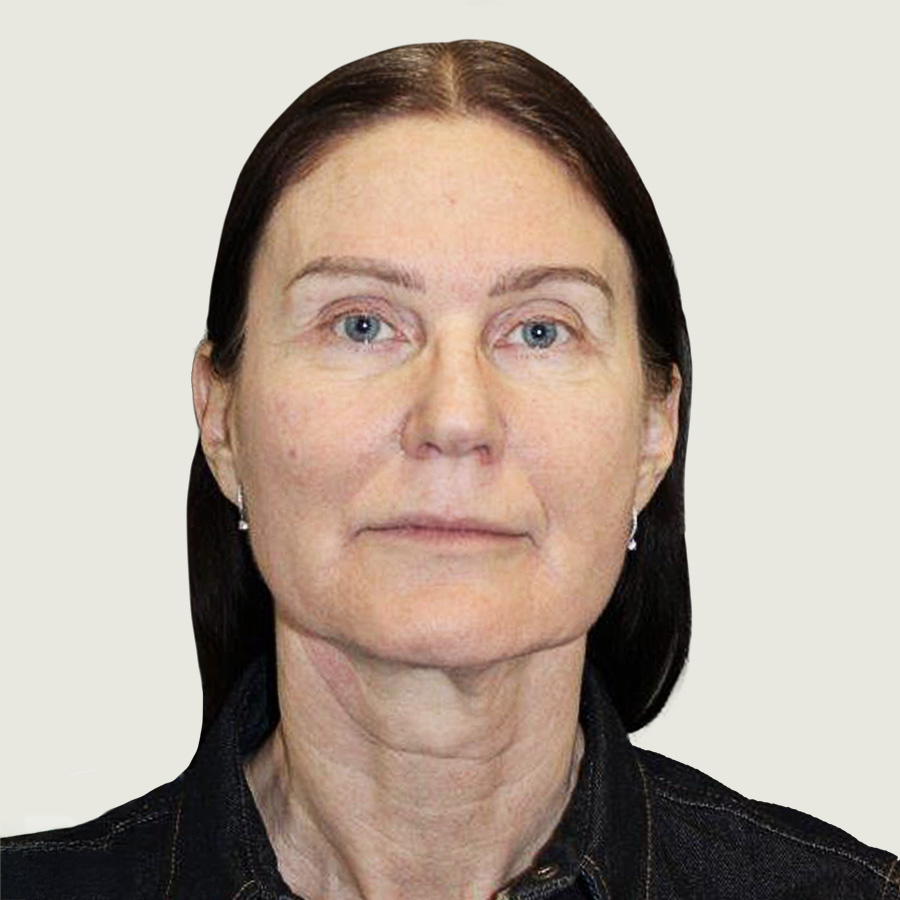
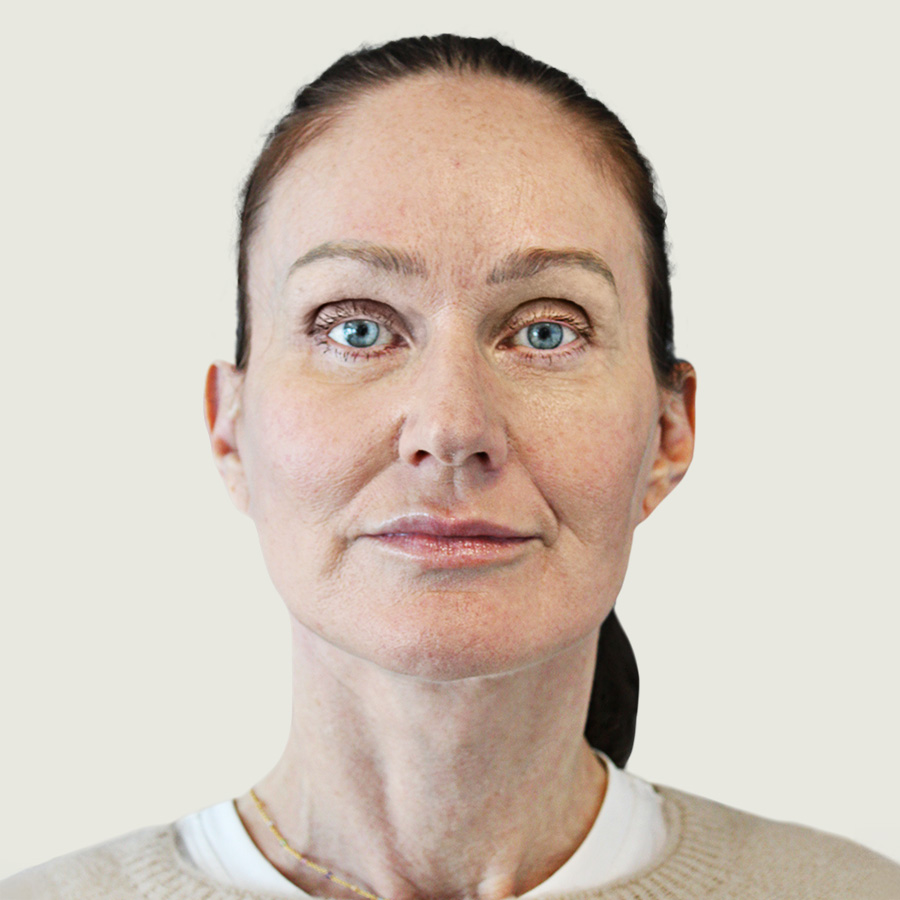
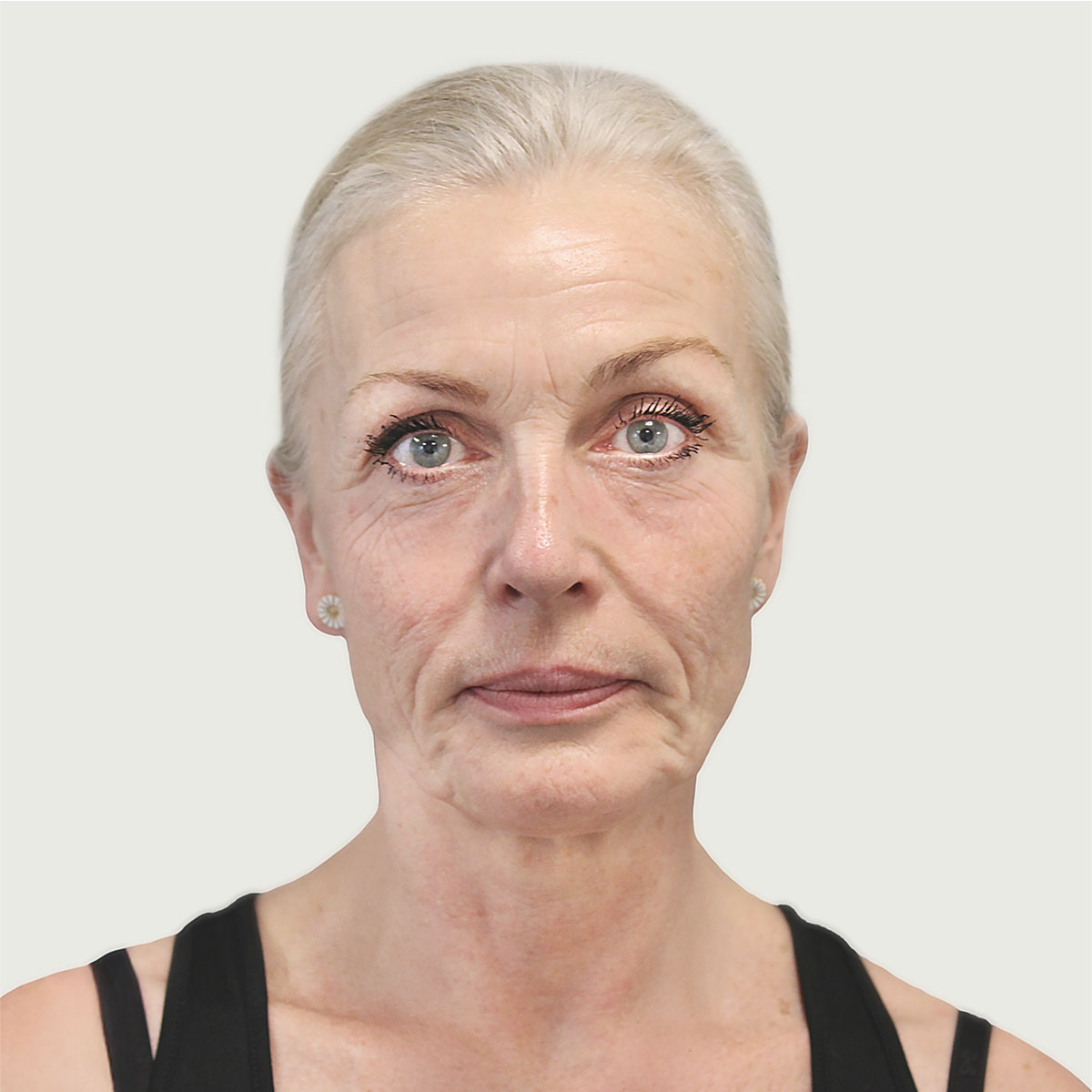
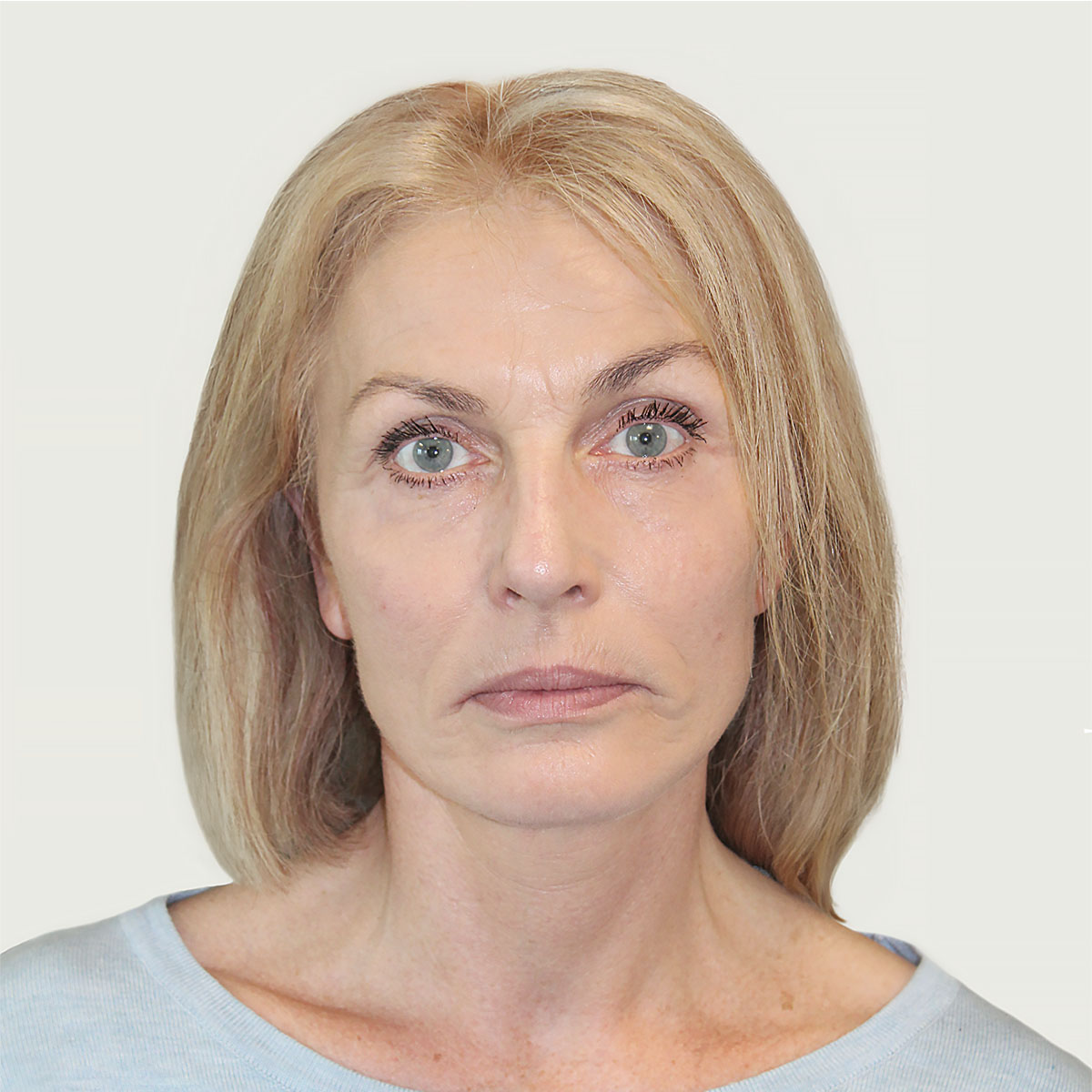
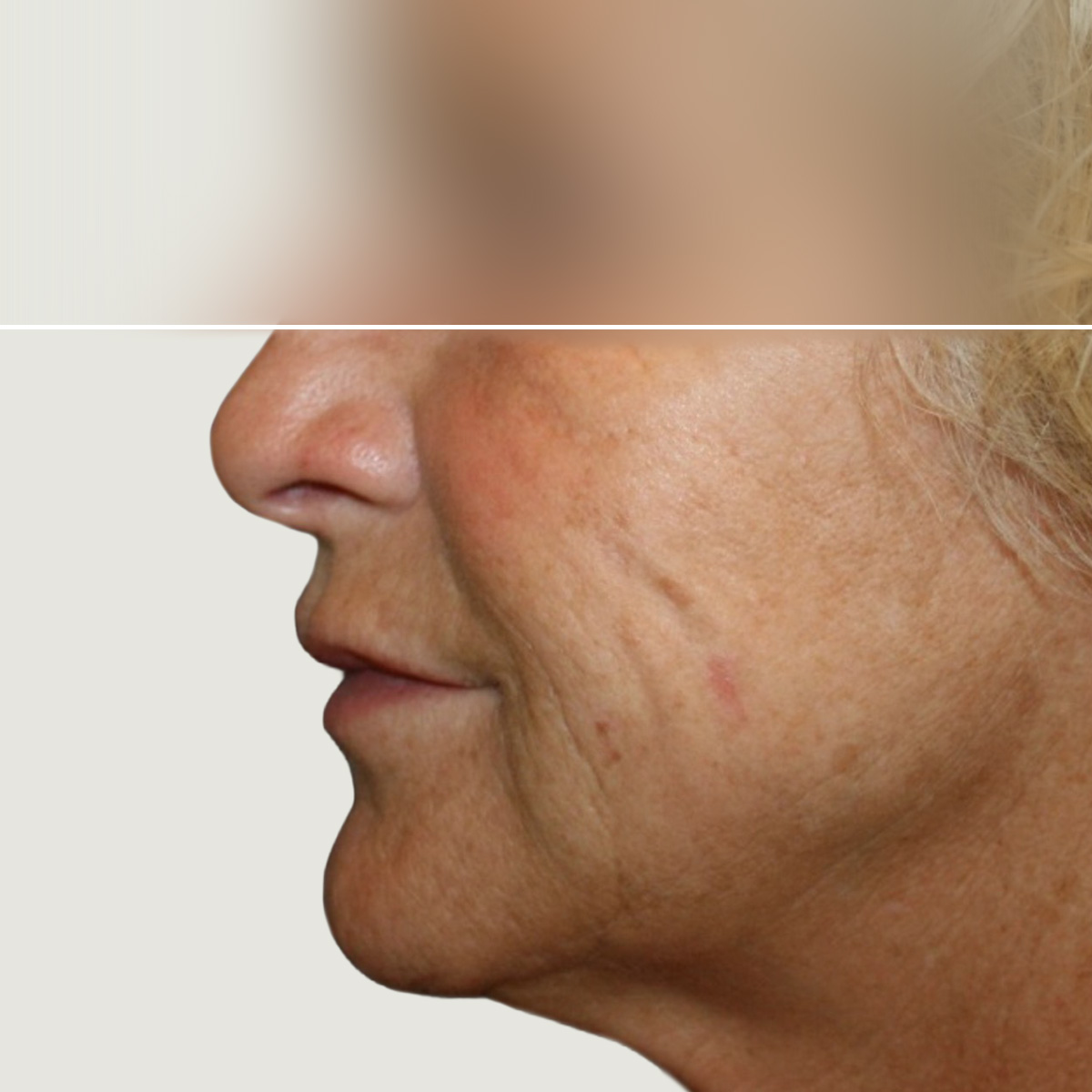
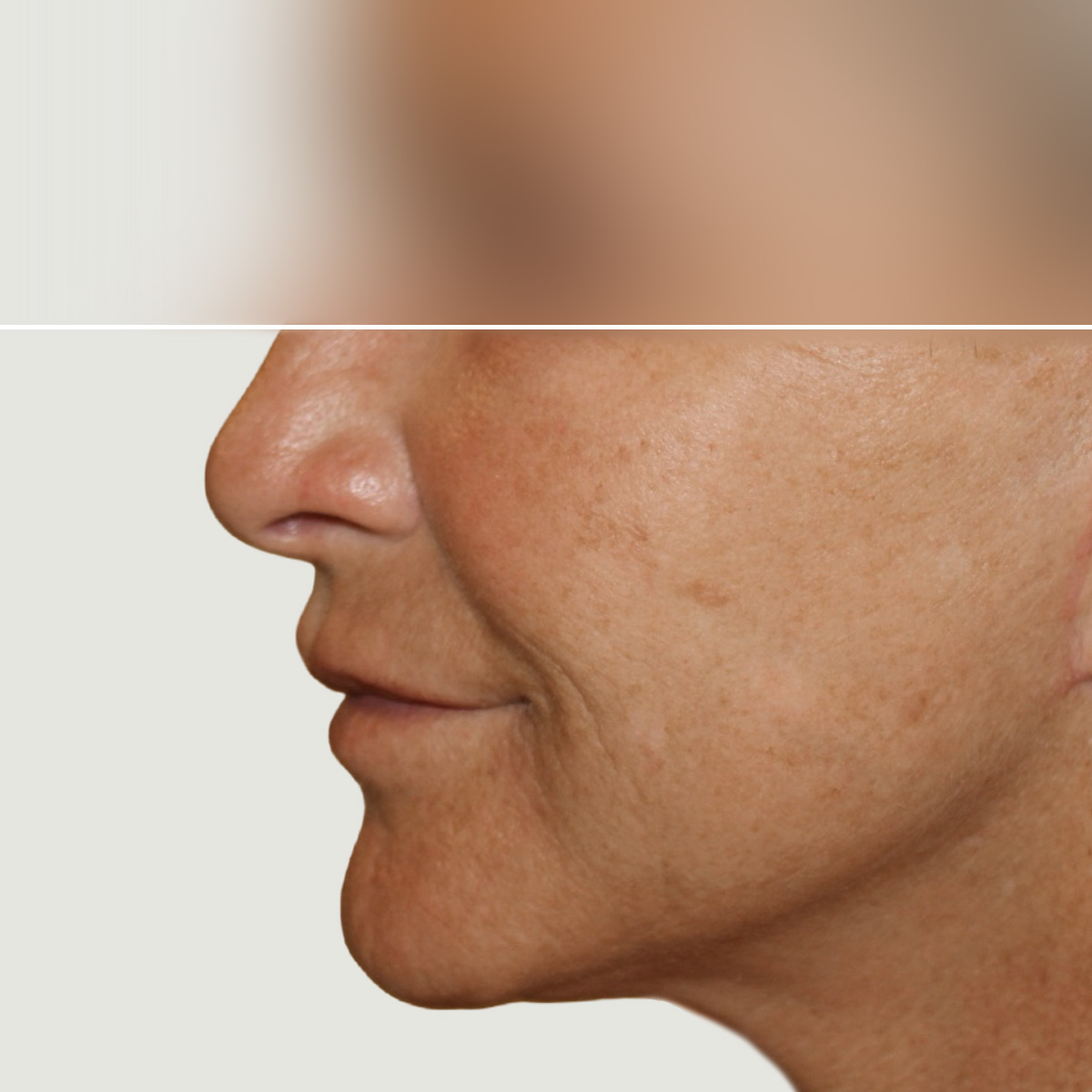
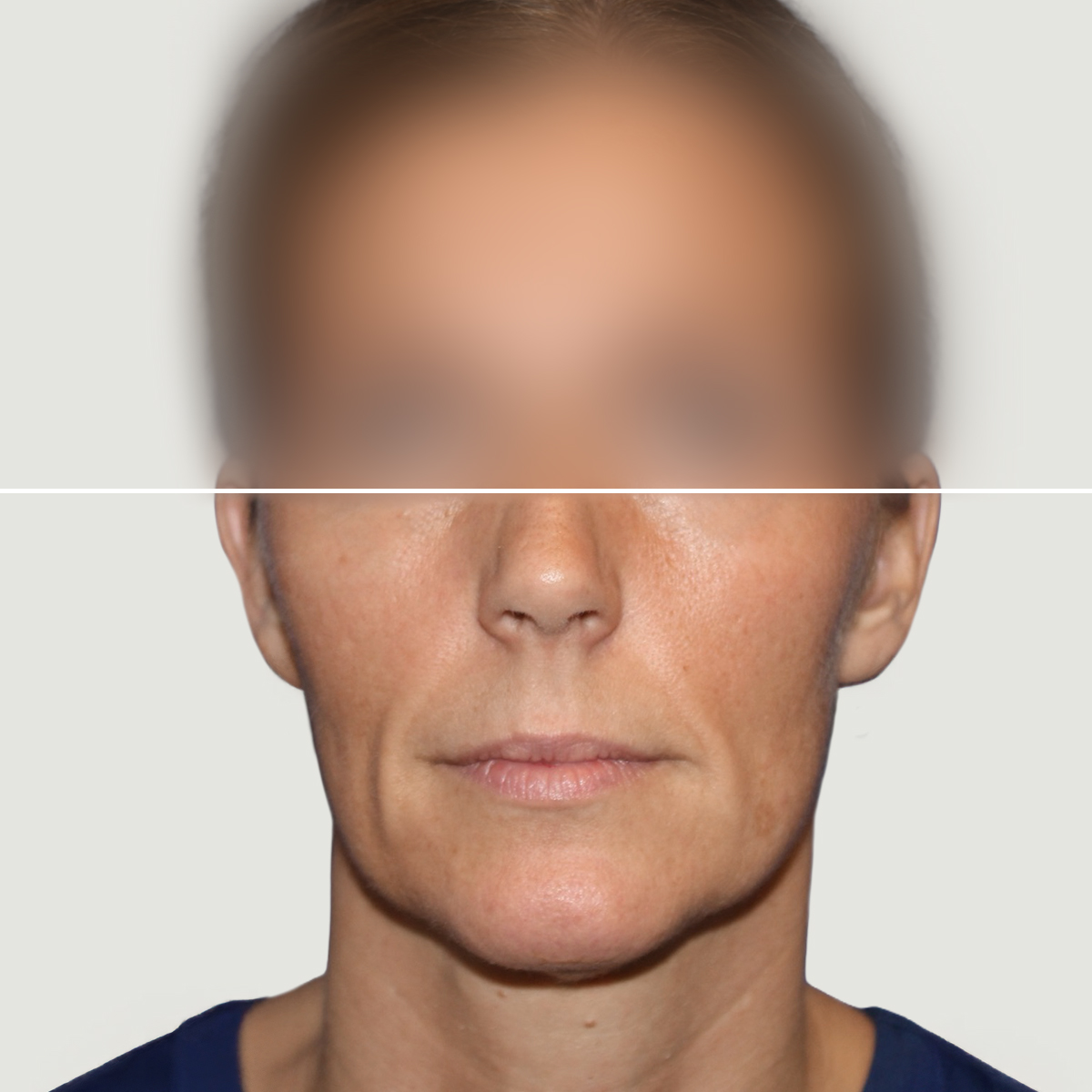
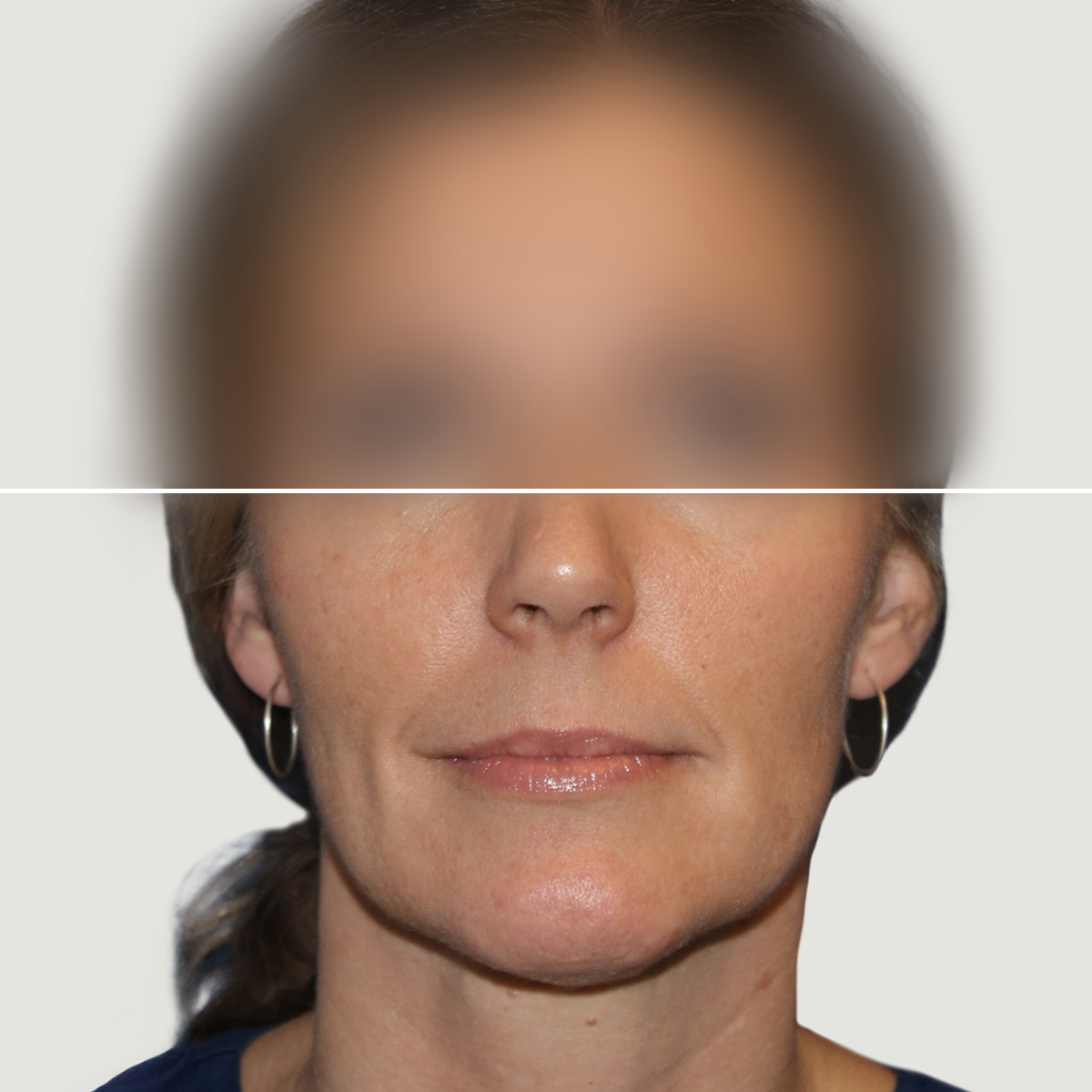
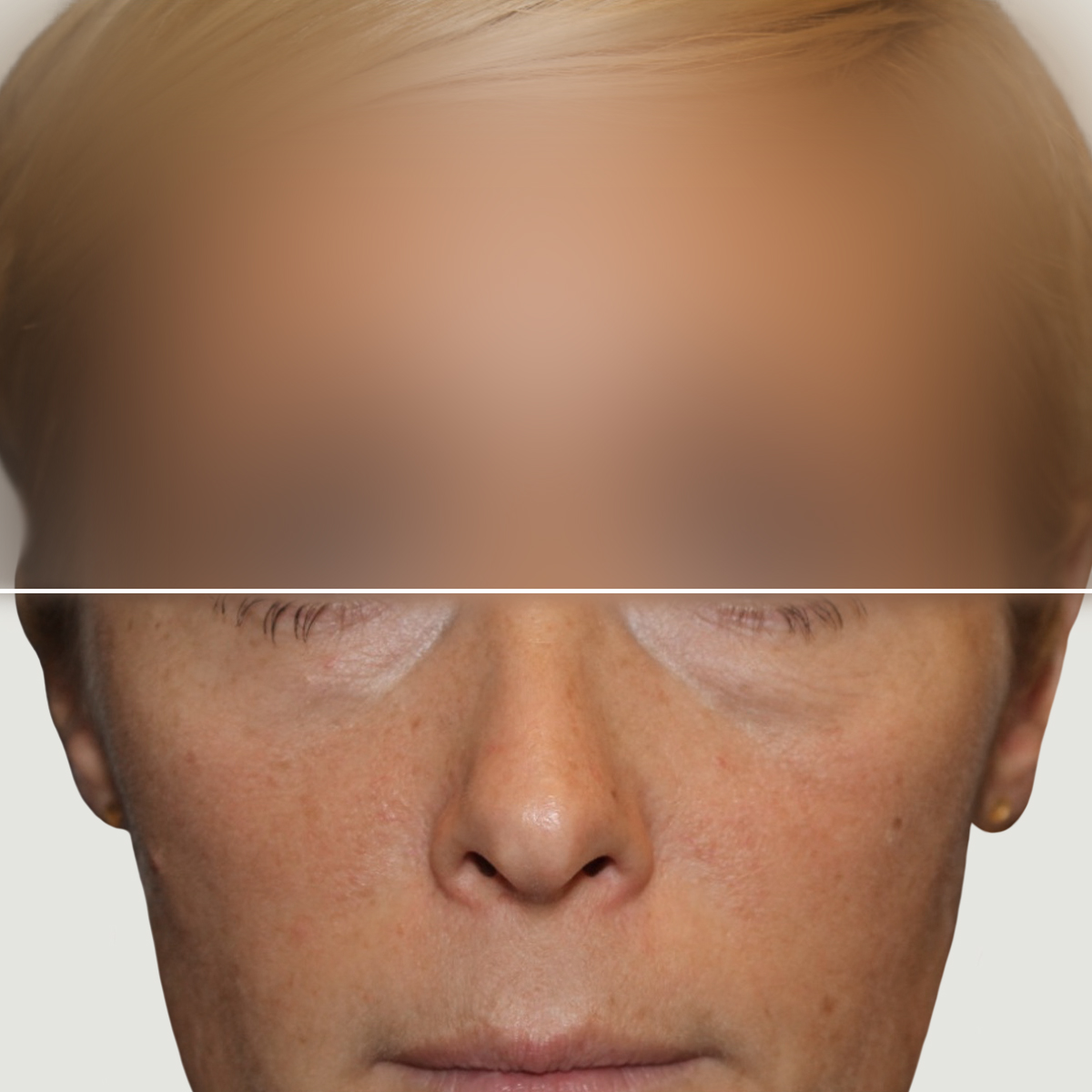
Our before-and-after photos say more than words. Here you get an honest insight into how small adjustments can make a big difference – both in appearance and in confidence.
Her finder du svar på de mest almindelige spørgsmål behandlingen.
Before the surgery, you will have a pre-operative consultation with the specialist. During this appointment, the surgeon will examine you and provide information about your treatment options, the procedure, possible aftereffects, and potential complications. Based on your expectations and the surgeon’s recommendations, a personalised treatment plan will be made, and the area(s) for fat harvesting will be agreed upon.
You are welcome to bring a friend or family member to the consultation. If the procedure is considered purely cosmetic, at least one week must pass between the consultation and the surgery.
When you arrive, you will be greeted by a nurse. Afterwards, the plastic surgeon who will perform your procedure will meet with you to mark the treatment areas, and depending on the type of anaesthesia, you may also meet with an anaesthesiologist. There may be between 30 minutes and 1.5 hours from your arrival until the procedure begins.
The fat is injected using very fine cannulas, which means there is virtually no visible scarring and only minimal discomfort afterwards. The operation takes between 45 minutes and 1.5 hours, depending on the extent of the procedure. The small incisions on the breast are so minor that they do not require sutures and are simply covered with a small dressing. The areas where liposuction is performed are closed with a single stitch and covered with a plaster. A compression dressing is then applied over these areas to help the skin contract and reduce fluid accumulation.
In the first few hours after surgery, your heart rate, breathing, and other vital signs will be monitored electronically and in person. Most patients feel well just a few hours after the operation and can then be discharged. The injected fat cells are sensitive to pressure during the first few days, so compression is recommended only over the areas where liposuction was performed.
Upon discharge, you will be given pain medication and your surgeon’s direct contact number. You will also receive an appointment for a follow-up visit at the clinic approximately two weeks after surgery, and another with your surgeon 3–6 months after the procedure.
It is recommended that you wear an abdominal binder or compression shorts day and night for 3 weeks, and then during the day for an additional 3 weeks, to support healing in the liposuction areas.
Exercise: You can resume sports or physical activity after 4–6 weeks.
Sun exposure: Avoid sun exposure for 1–2 months after surgery. Thereafter, protect the scars for 6–12 months using either tape or high-SPF sunscreen.
Work: You should expect to take up to one week off work, depending on how physically demanding your job is. Sedentary work can usually be resumed sooner if you feel comfortable.
Smoking: The transplanted fat cells rely on oxygen from the surrounding tissue to survive during the first few days, until healing and new blood vessel formation occur. Smoking reduces oxygen supply and impairs healing, so tobacco use is strongly discouraged from 4 weeks before until 4 weeks after surgery.
The procedure is usually performed under general anaesthesia. Please refer to the separate information sheet for more details. In some cases, the treatment can be carried out under local anaesthesia on an outpatient basis.
Complications are generally very rare with liposuction and fat injection. You may experience tenderness in the treated areas for 1–2 weeks, and sometimes longer in the liposuctioned areas. After about 3 months, the effect of the treatment can be evaluated. From that point on, the result will be long-lasting and will evolve naturally with ageing and any future weight changes.
There will be a few very discreet scars of about 4–5 mm at the sites where liposuction was performed. In the areas where fat has been injected, the scars are so small that they are almost invisible. In rare cases, some patients may develop wider or more prominent scars (hypertrophic scars or keloids).
Altered sensation in the areas that have undergone liposuction or fat injection usually resolves within 2–6 months, but in rare cases (less than 1%), it may be permanent.
There will be bluish-red discolouration and swelling in the areas treated with fat transplantation. This will subside on its own over time.
Minor bleeding may occur within the first few hours after surgery and can present as increasing swelling and discomfort, but it rarely requires surgical intervention.
In rare cases, fluid buildup or unevenness may occur in the areas where liposuction has been performed. The risk of this is reduced by using proper compression over these areas.
Infection is rare (occurring in less than 1% of cases). However, you should contact the clinic if you develop fever, redness, swelling, warmth, or pain in the operated area.
The transplanted fat cells rely on oxygen and blood supply from the surrounding tissue to survive. Some of the transplanted cells may not survive and can form small fat cysts. In some cases, a small cyst can be felt or seen on an ultrasound scan and, if necessary, can be drained.
Fat transplantation should not be performed if you have known precancerous conditions or untreated skin cancer in the area to be treated.
Several procedures may be required to achieve the desired effect. If there is significant scar tissue in the area where the fat transplantation is performed, the amount of fat that can survive after the first operation is reduced. In subsequent procedures, a larger amount of fat can be injected, often resulting in a better outcome. If you are a smoker, the survival rate of the transplanted fat cells will be significantly reduced. Complete smoking cessation for at least four weeks before and four weeks after the procedure is therefore essential.
You are always welcome to contact us. We are ready to answer your questions and help you move forward if you need guidance.