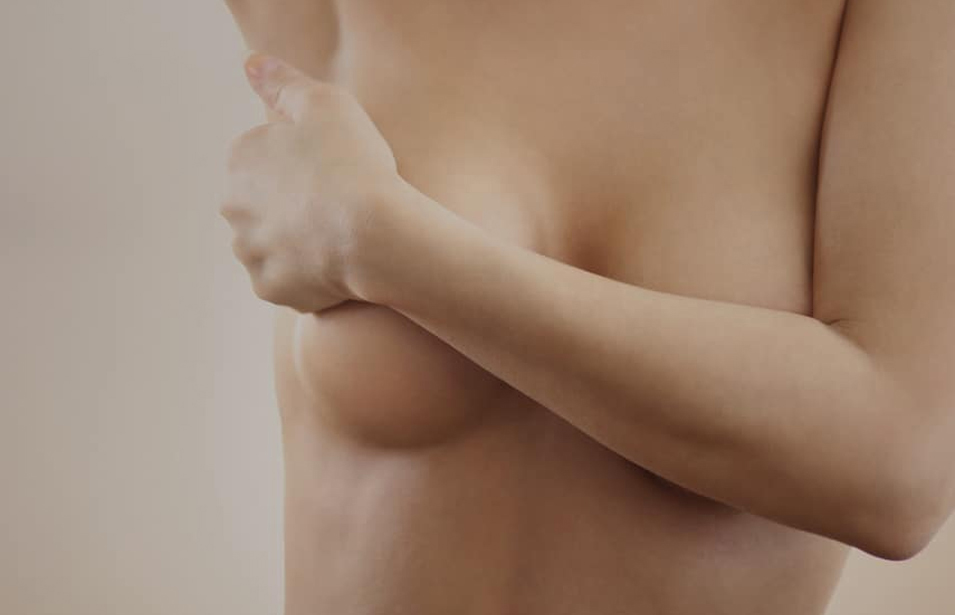
Breast augmentation with fat transfer is a technique with lasting results, where your own natural fat tissue is used to correct volume and shape. Many choose to undergo body contouring at the same time. First, liposuction is performed where you have suitable fat deposits, and afterwards the fat tissue is injected into the relevant areas. In some cases, it may be relevant to combine your own fat with implants for breast augmentation, correction, or replacement of breast implants after previous surgery.
“I felt safe throughout the entire process, and the result was both natural and beautiful. I could not be more satisfied – definitely a recommendation from me.”
Bodycontouring | BBL
The technique
Fat transfer is a gentle procedure in which the patient’s own natural fat tissue is used to correct breast size, shape, or the after-effects of previous breast surgery. I use the Bodyjet system, with which we first perform gentle liposuction in an area with suitable fat deposits (most often thighs, lower back, or abdomen).
The fat cells are rinsed free with the help of fluid, and once the fat tissue is separated from the fluid, it is injected into the area where correction is needed. Both the liposuction and the fat injection are performed with very fine cannulas, resulting in very discreet scars. Fat tissue contains not only fat cells but also stem cells and growth factors, which is why fat transfer can be used for many types of treatments.
What result can you expect?
The technique may be relevant if you wish to maintain your natural breast shape but would like more volume, corresponding to about one cup size. How many fat cells survive depends on the techniques used and on you following some simple recommendations during the first few weeks after the procedure. The final result can be assessed after 3–6 months.
For correction of about one cup size, a single treatment is usually sufficient, but supplementary procedures may sometimes be needed. The fat cells retain the properties they had before being transferred. This means they keep the same volume, but the result may change if you lose weight.
Before / After
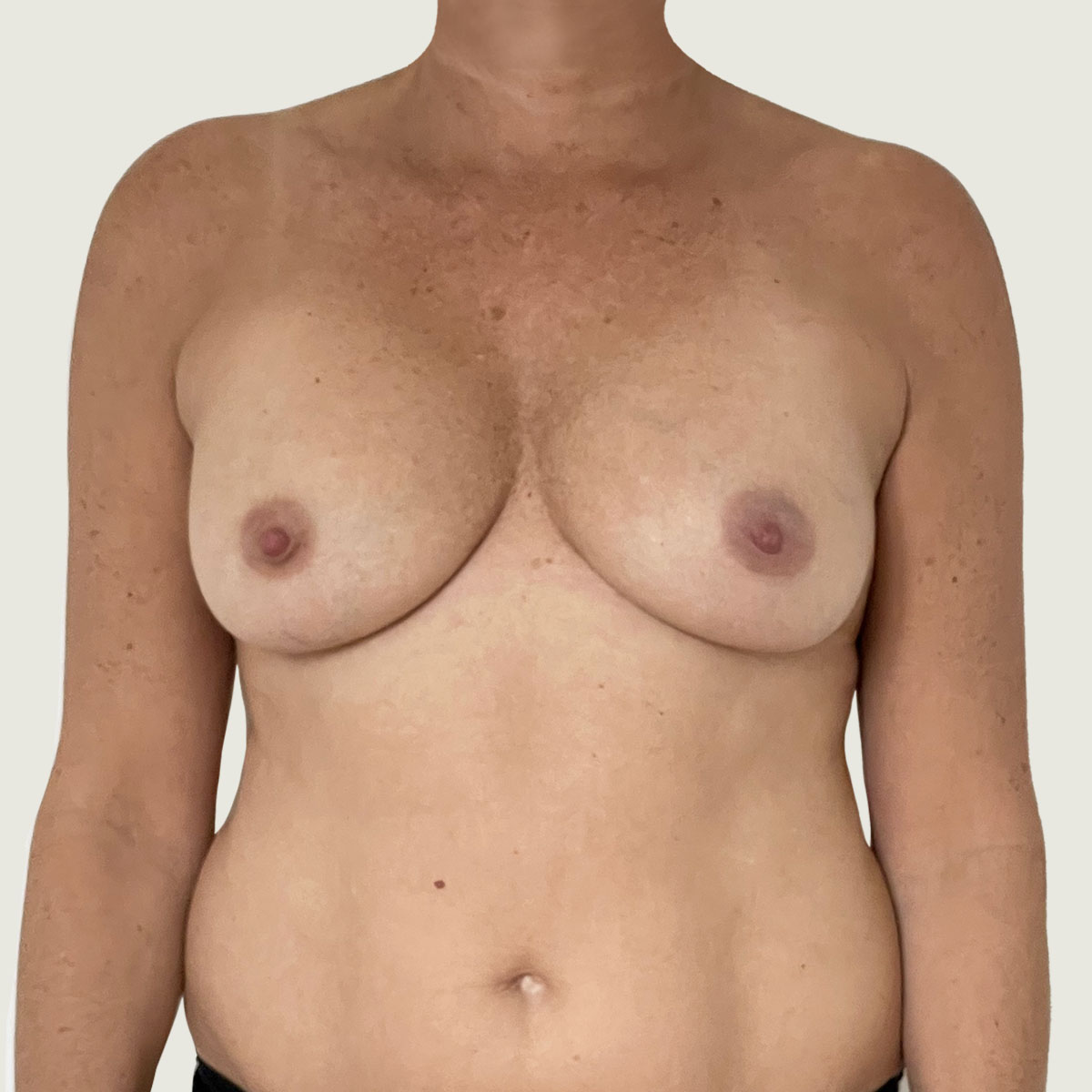
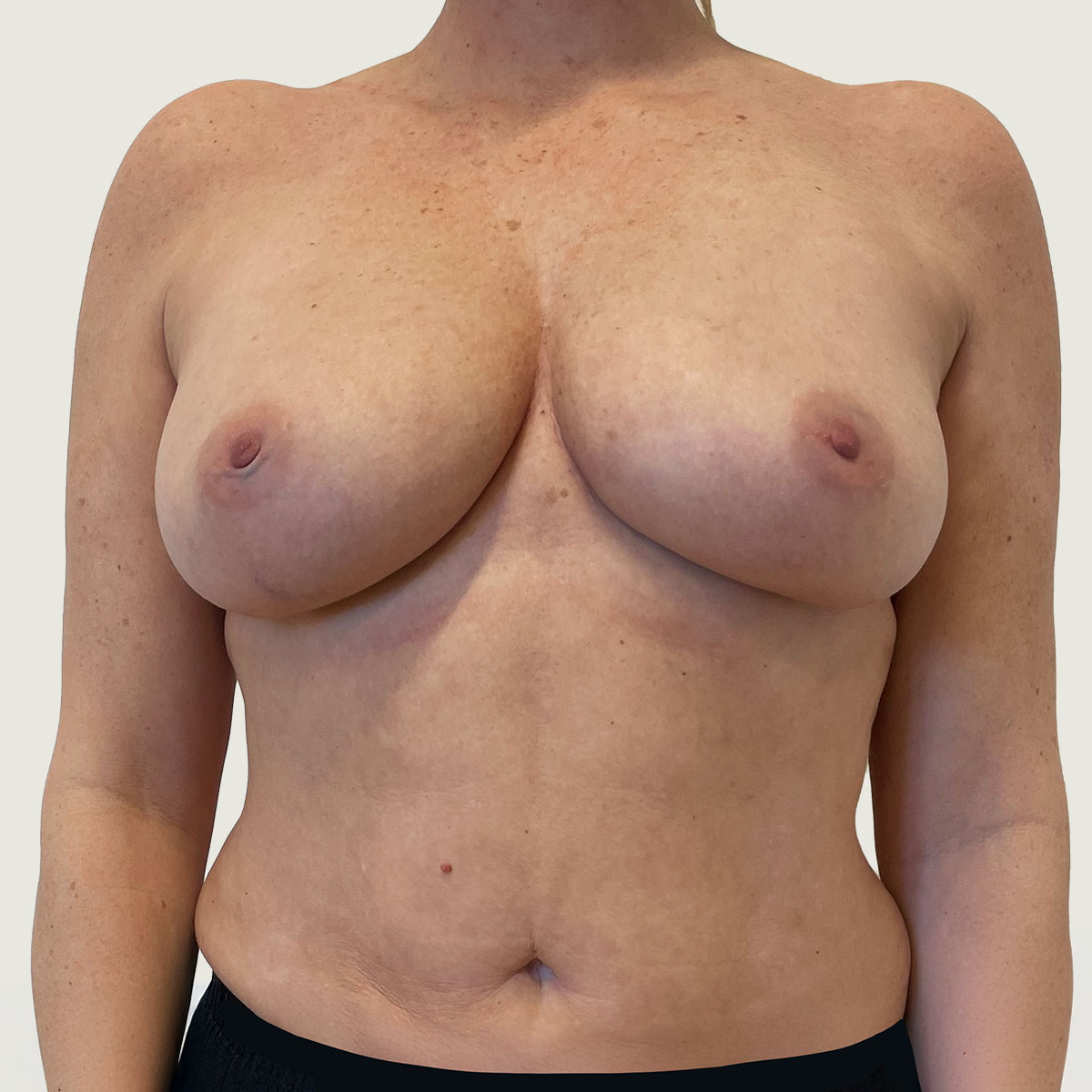
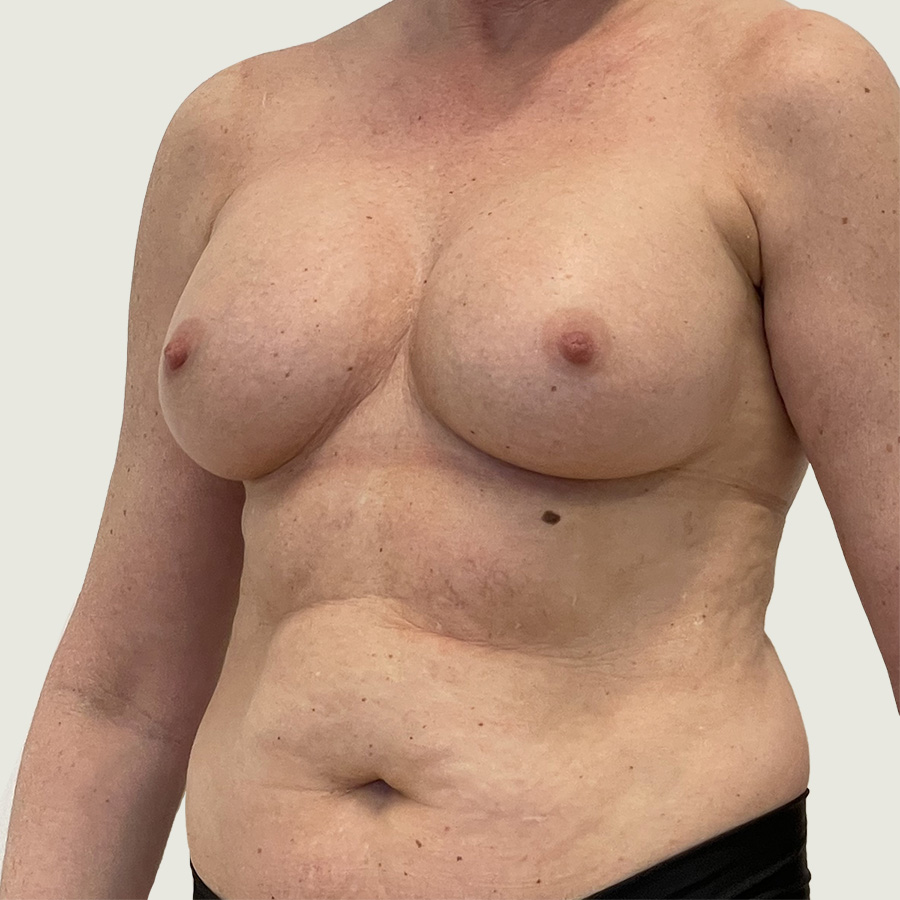
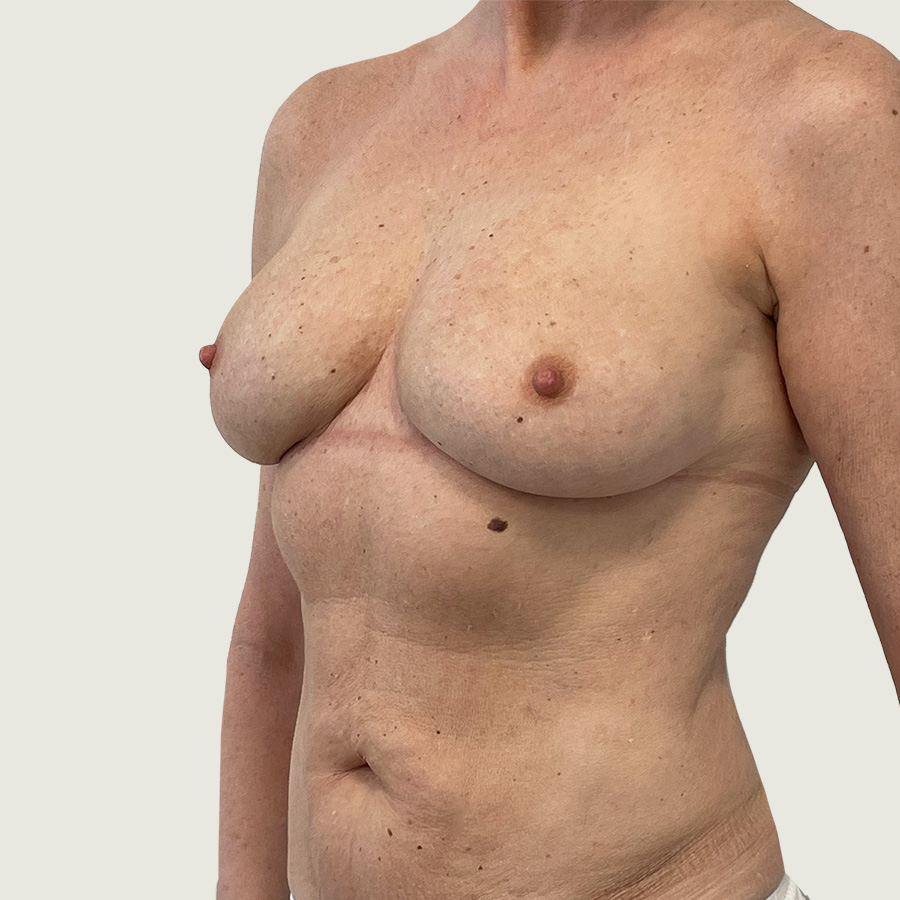
Our before-and-after photos say more than words. Here you get an honest insight into how small adjustments can make a big difference – both in appearance and in confidence.
Find answers to the most common questions about the treatment.
Before the surgery
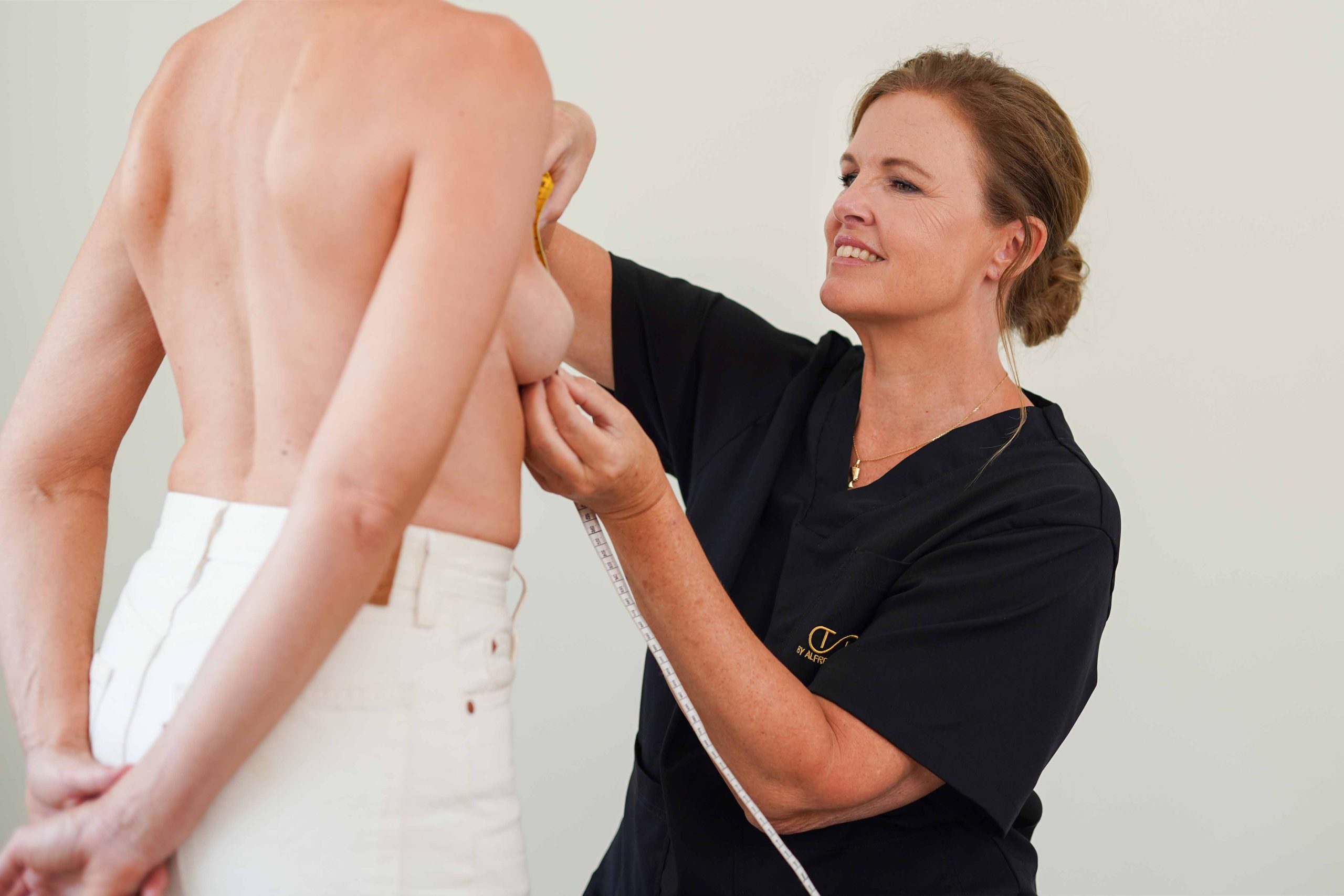
Before the operation, you will have a preoperative consultation. Here, I will examine you and, based on your wishes, body type, and breast shape & size, advise you on your treatment options. Together, we will plan where the liposuction should be performed. I will show you before/after pictures of other patients so you can get a realistic impression of the expected cosmetic result. You are welcome to bring a friend or family member to the consultation. There must be at least one week between the consultation and the surgery if the procedure is considered purely cosmetic.
Anaesthesia
The operation is performed under general anesthesia.
The surgery
When you arrive, a nurse will greet you. Before the operation, I mark the areas to be treated, and you will speak with an anesthesiologist. The procedure lasts 1–1.5 hours. The fat is harvested and injected using very fine cannulas, which means there are virtually no scars on the breasts and minimal pain afterward. The fat is injected between the skin and the breast tissue, and beneath the glandular tissue. The entry points on the breast are so small that they do not require stitches. The tiny entry points from the liposuction are closed with a single stitch and covered with a dressing. Additionally, you will receive a compressive cycling short/body stocking, which helps the skin retract and reduces fluid accumulation.
After the surgery
In the first few hours after the operation, your heart rate, breathing, and other vital signs will be monitored. Most patients feel well a few hours after surgery and can be discharged the same day. The fat cells injected into the breasts cannot tolerate pressure during the first few days. However, we recommend that you use compression on the areas where liposuction was performed. You will have follow-up appointments with us approximately 2 weeks and 3–6 months after the procedure. We recommend wearing a bodystocking/cycling short to compress the liposuction area for 6 weeks. Fat injection does not affect sensation in the breast, the ability to breastfeed, or breast cancer screening.
Sports and exercise: can be resumed after 4–6 weeks.
Sun exposure: Avoid sun for 3 weeks after the operation. Thereafter, scars should be protected for 6–12 months with a dressing or bra when in the sun.
Work: Expect to take about 1 week off work after the procedure, depending on how physically demanding your job is.
Tobacco: Do not smoke before or after the operation if you want a good result. Fat cells survive through oxygen supplied by the surrounding tissue during the first days until healing and new blood vessels form. Tobacco use significantly reduces oxygen supply and healing. We advise against smoking or using other tobacco products for at least 4 weeks before and 4 weeks after the operation.
Ultrasound scan & mammography
Fat transplantation does not affect the ability to examine breast tissue. In some cases, small benign fat cysts may appear, caused by some of the transplanted fat cells dying. Fat cysts do not resemble malignant changes.
During the first 6 weeks, there will be swelling of the breasts due to the surgery. After 3–4 months, you can assess the breast-enhancing effect. Thereafter, the result is permanent and will follow natural aging and weight changes.
Tenderness and discolouration
Content coming soon
Scars
You will feel tenderness in the breast for 1–2 weeks. In the areas where liposuction was performed, there may often be tenderness for a longer period. There may also be discoloration due to minor bleeding in the tissue, which will fade over time.
Sensory disturbances
You may experience altered sensation in the areas where we performed liposuction and fat injection. These sensory changes usually resolve within 2–6 months, but in rare cases (under 1%) they can be permanent.
Fluid accumulation and unevenness
In rare cases, fluid accumulation or unevenness can occur in the areas where liposuction was performed. If you remember to use compression, your risk is very low.
Asymmetry
Many women naturally have asymmetrical breasts. During the procedure, we aim to achieve the greatest possible symmetry – but it is not always possible to achieve complete symmetry. If there is a significant difference in volume, multiple procedures may be necessary to achieve the desired result.
Infection
Infection is rare (under 1%). However, you should contact us if you develop fever, redness, warmth, or pain around the scar tissue.
Fat cysts
The transplanted fat cells must survive by receiving oxygen and blood supply from the surrounding tissue. Some of the transplanted fat cells do not survive and may form small cysts. In some cases, a small cyst can be felt, may be visible on an ultrasound scan, and can possibly be drained.
Fat transplantation should not be performed in cases where a woman has known precancerous changes or untreated breast cancer.
The expected cosmetic result
Do you still have questions?
You are always welcome to contact us. We are ready to answer your questions and help you move forward if you need guidance.





 DA
DA