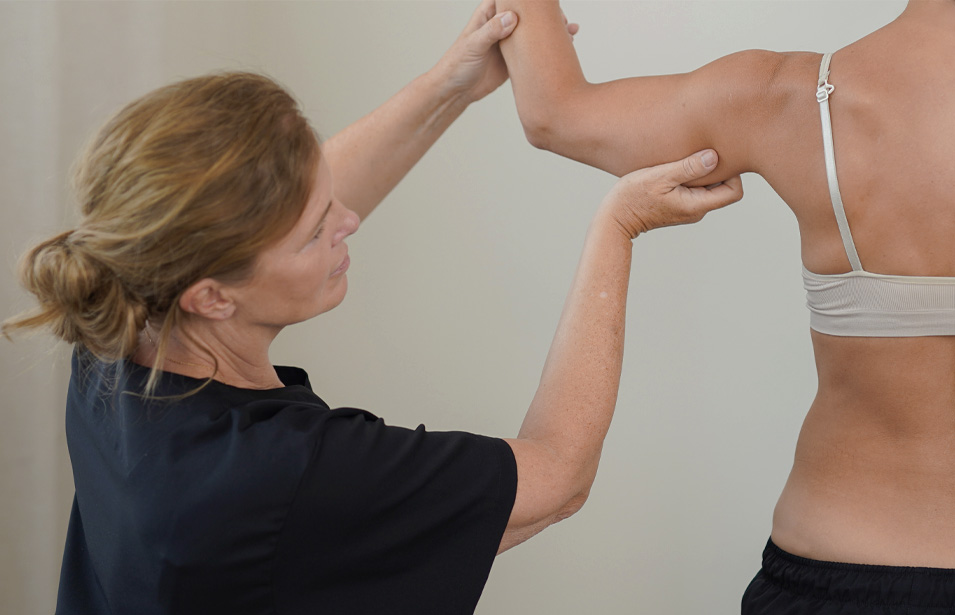
Liposuction is a procedure that helps remove localised fat deposits. These fat deposits may be hereditary and are not affected by dieting or exercise. In such cases, liposuction may be the only solution to the problem.
For example, unwanted fat deposits can be removed from:
“I felt safe throughout the entire process, and the result was both natural and beautiful. I couldn’t be more satisfied – definitely a recommendation from me.”
Bodycontouring | BBL
Modern Techniques for Safe and Even Results
Most patients notice visible, positive results immediately. However, liposuction is not a replacement for weight loss or the reduction of overweight. You will achieve the best result if you are active and not overweight.
Good results are expected in women and men who have a relatively normal weight with a BMI under 26. Ideally, the skin should have retained its elasticity and not be lax. Loose skin will have difficulty retracting after the procedure. Liposuction can be performed on different areas of the body at the same time. However, the Danish Health Authority advises against removing more than 5 litres in a single procedure.
We use the latest techniques and different methods depending on the indication and the areas to be treated with liposuction.
We use, among others, PAL (Power Assisted Liposuction). This specialised equipment makes the liposuction cannula vibrate up to 5,000 times per second in very small and rapid movements. This makes the procedure easier and provides a more even result compared to classic manual liposuction.
Alternatively, body-jet liposuction is used – a special technique where fat cells are loosened using water dissection. This method is applied in specific cases, for example when the fat cells are to be used for certain types of fat transfer or in patients being treated for lipoedema. Finally, special cannulas are used for liposuction and fat injection in the face.
Before the Surgery
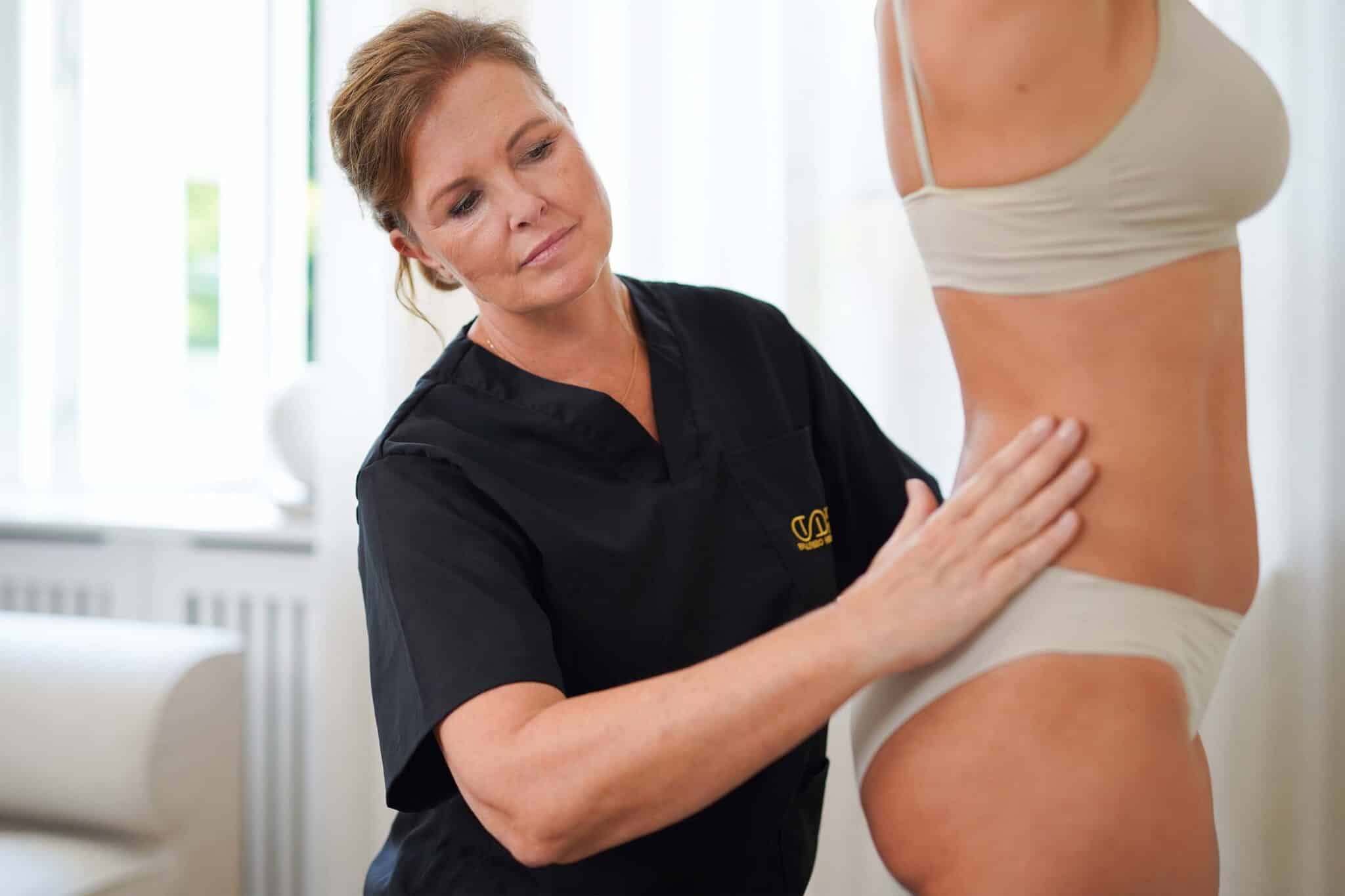
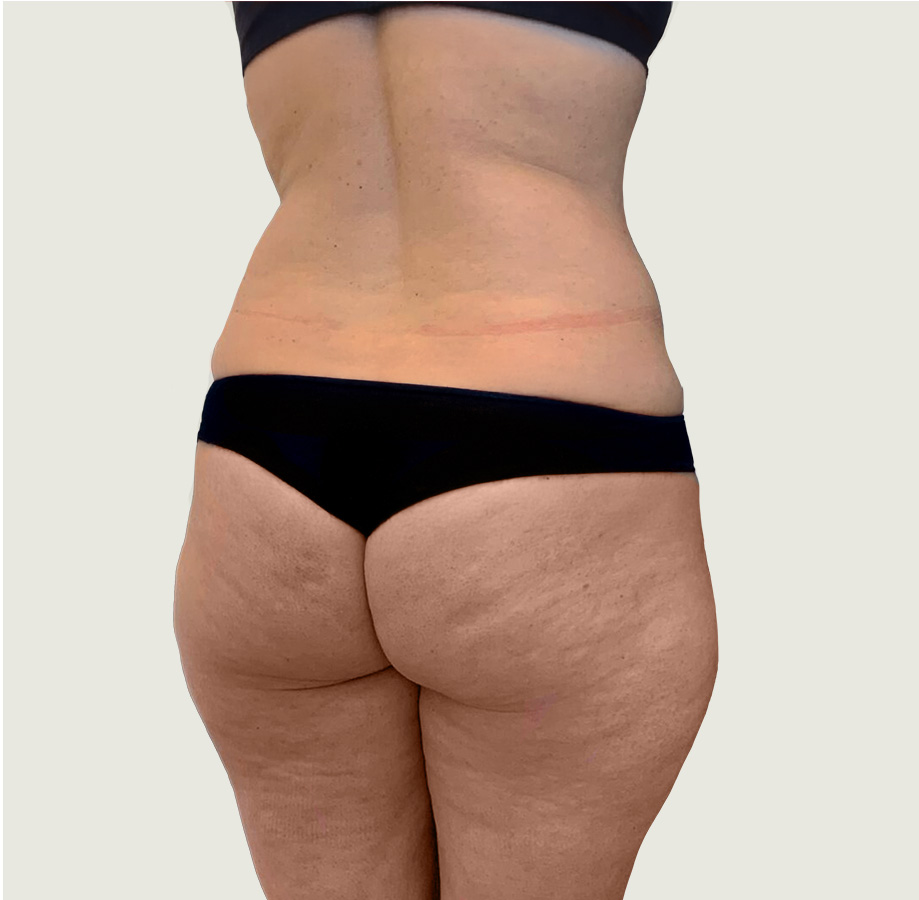
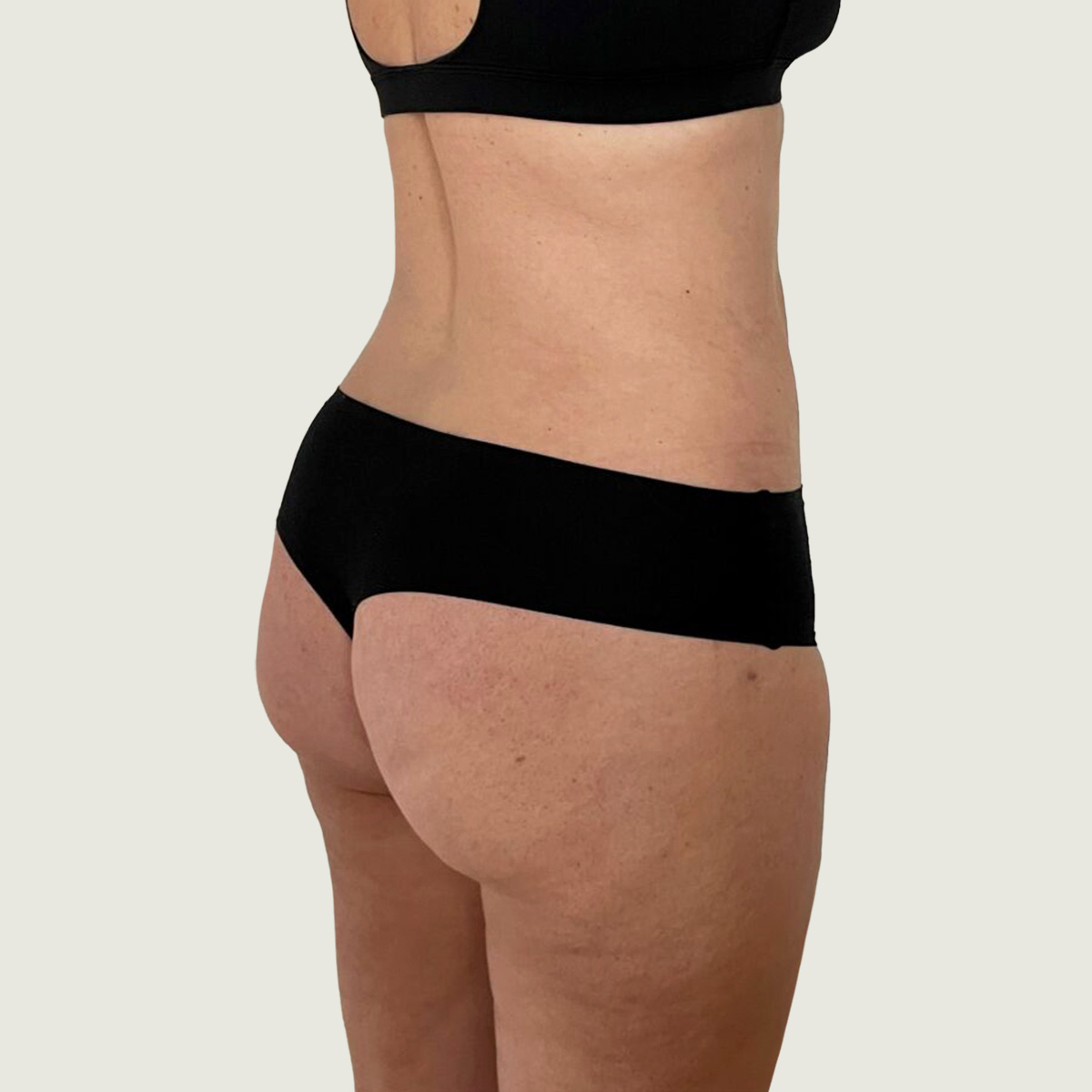
Before the surgery, you will have a consultation with the specialist. Here you will be informed about the procedure, possible aftereffects, and potential complications. During the consultation, “before and after” photos of other patients will be shown so that you gain a realistic impression of the expected result.
You are welcome to bring a friend or family member with you to the consultation.
There must be at least one week between the consultation and the surgery if the procedure is considered to be purely cosmetic.
Før / efter
Vores før- og efterbilleder fortæller mere end ord. Her får du et ærligt indblik i, hvordan små justeringer kan gøre en stor forskel – både i udtryk og selvtillid.
Find answers to the most common questions about the treatment.
Before the Surgery
Before the surgery, you will have a consultation with the specialist. Here you will be informed about the procedure, possible aftereffects, and potential complications. During the consultation, “before and after” photos of other patients will be shown so you can gain a realistic impression of the expected result.
You are welcome to bring a friend or family member with you to the consultation.
There must be at least one week between the consultation and the surgery if the procedure is considered to be purely cosmetic.
The Surgery
Liposuction is performed using the so-called wet technique, where, regardless of whether under local or general anaesthesia, a larger amount of saline mixed with local anaesthetic and adrenaline is injected into the fatty tissue. The adrenaline causes the small blood vessels to contract and keeps the anaesthetic in the area. The fat is removed by inserting a suction cannula (slightly thinner than a pencil) through one or more small incisions in the skin. These incisions are about 4 mm long and are placed so that they are as invisible as possible.
After the Surgery
The operation is completed with the application of a compression bandage, which must be worn for three weeks around the clock, followed by a further three weeks during the day only. In the first few hours after surgery, your heart rate, breathing, and other vital signs will be monitored electronically and personally.
Upon discharge, you will be given an extra bandage so you can wash and change it as needed. You may be discharged the same day or the following day. If more than 2–3 litres of fat are removed, you will be hospitalised until the next day. Smaller liposuction procedures can be performed on an outpatient basis or with half a day of hospitalisation. At discharge, you will receive pain medication and the surgeon’s phone number.
No stitches need to be removed. A few days after the operation, you may take a shower.
Work
You should expect to take 1–10 days off work.
Sports and Exercise
Sports activities can usually be resumed after 2–3 weeks.
Sun/Sunbed
As soon as there is no longer any skin discolouration, you may be exposed to the sun again, but the scars must be protected for 6 months after the operation.
You will be offered a follow-up after 3–6 months. It is important that you maintain your weight. At the follow-up, it can be assessed whether a minor correction is needed. Such a correction is normally free of charge for the patient. In around 10 per cent of cases, a small correction is required.
You can expect the result to last for many years, but the tissue will, of course, follow the natural ageing process. In addition, any weight change will naturally also affect the result.
Swelling and Discolouration
Swelling, discolouration, and firmness of the tissue may occur around the operated area. This will subside within 1–3 months. Pain is treated with mild pain medication.
You should expect to feel sore for about 1–2 weeks after the operation. For larger liposuctions and liposuction around the knees, however, the soreness may last somewhat longer. The fatty tissue under the skin may feel slightly hard and lumpy, and there may also be sensory disturbances in the area for up to 18 months. After larger liposuctions, discolouration of the skin, often brownish, may persist for a longer period. These usually disappear, but it may take several years.
Scars
Liposuction leaves only very minimal scars, which are usually placed so that they are not visible. They are approximately 3 mm in size.
Hematoma and Infection
Complications such as infection, blood clots, and bleeding are extremely rare.
The Expected Cosmetic Result
If the result does not meet expectations, a repeat procedure may be considered. However, it is not always possible to achieve a more satisfactory outcome through further surgery.
Do you still have any questions?
You are always welcome to contact us. We are ready to answer your questions and guide you further if you need any assistance.





 DA
DA