Breast Reduction and Lift
Breast Surgery
Breast Surgery

Breast Reconstruction or Correction

We perform breast reconstructions and corrections after previous surgeries or developmental anomalies.

After breast cancer treatment, many women almost apologize when they inquire about corrections following breast-conserving surgery or previous breast reconstruction, thinking “I should just be grateful to have survived.” But it’s not like that! It’s about quality of life. It’s about not being stuck in the feeling of being a patient, but about feeling whole and feminine again. About not being reminded every time you look in the mirror that you’ve had cancer. About not feeling stared at when you’re in the changing room. There is no reason for you to have to live with this. And you don’t have to.

“I had actually been considering it for a couple of years, but I kept thinking, ‘maybe it’s a bit too much’ or ‘can’t I just learn to accept it?'”

Bodycontouring | BBL

Have you had breast cancer?

Breast cancer is the most common type of cancer among women in the Western world. 1 in 9 of us will get it. Many fear the disease, many experience it, and many survive it. Most women can be treated with breast-conserving surgery, but some are advised to have the breast removed or choose to have one or both breasts removed themselves due to genetic considerations or because of widespread precancerous changes that could develop into breast cancer.

More and more women are overcoming the disease, and there are increasing demands for rehabilitation and quality of life after breast cancer treatment. For many women who must have one or both breasts removed due to cancer, breast reconstruction is of great importance for their subsequent quality of life and sense of femininity. But women who have had a lump removed and subsequently received radiation therapy can also be affected by tight scar tissue in the skin and subcutaneous tissue or asymmetry in the size or shape of the breasts.

Advanced breast reconstruction tailored to your body

Over the past 10 years, there has been significant development in reconstruction techniques, and we now have much better opportunities to correct previous surgical results. Often, we combine several techniques to achieve the most natural result possible. Every woman is unique, and each breast reconstruction and correction after previous breast surgery must be planned, designed, and performed with consideration for you and your body.

There is a wide range of techniques, including expanders/implants, flap surgeries (reconstruction using muscle and/or skin flaps), fat tissue, mesh, and acellular dermal matrix. Large microsurgical reconstructions using the patient’s own tissue are performed in the public healthcare system. Below, reconstruction/correction with fat transplantation and reconstruction with expander/implant are described—techniques we very often combine in an individualized design tailored to each woman.

Before / After

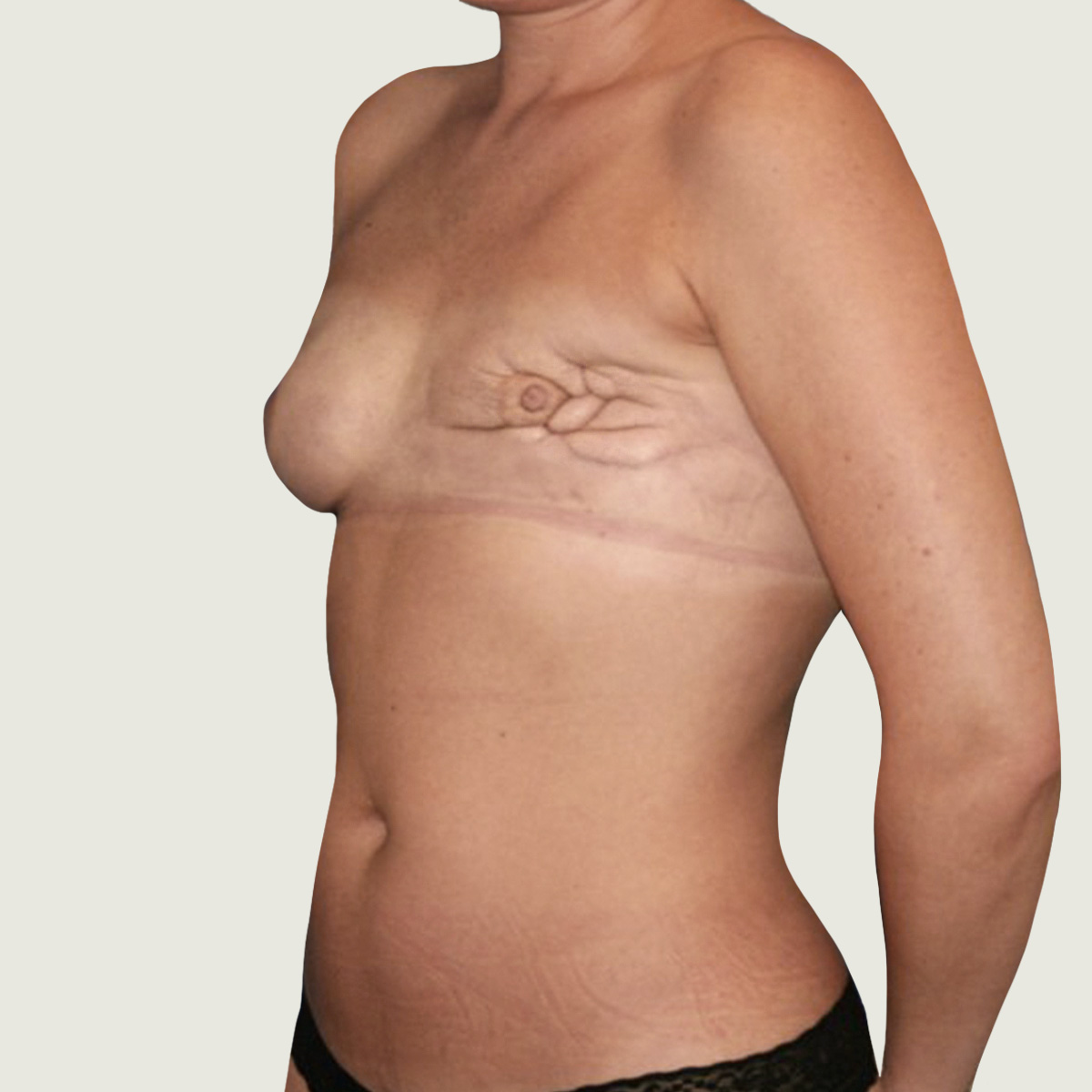
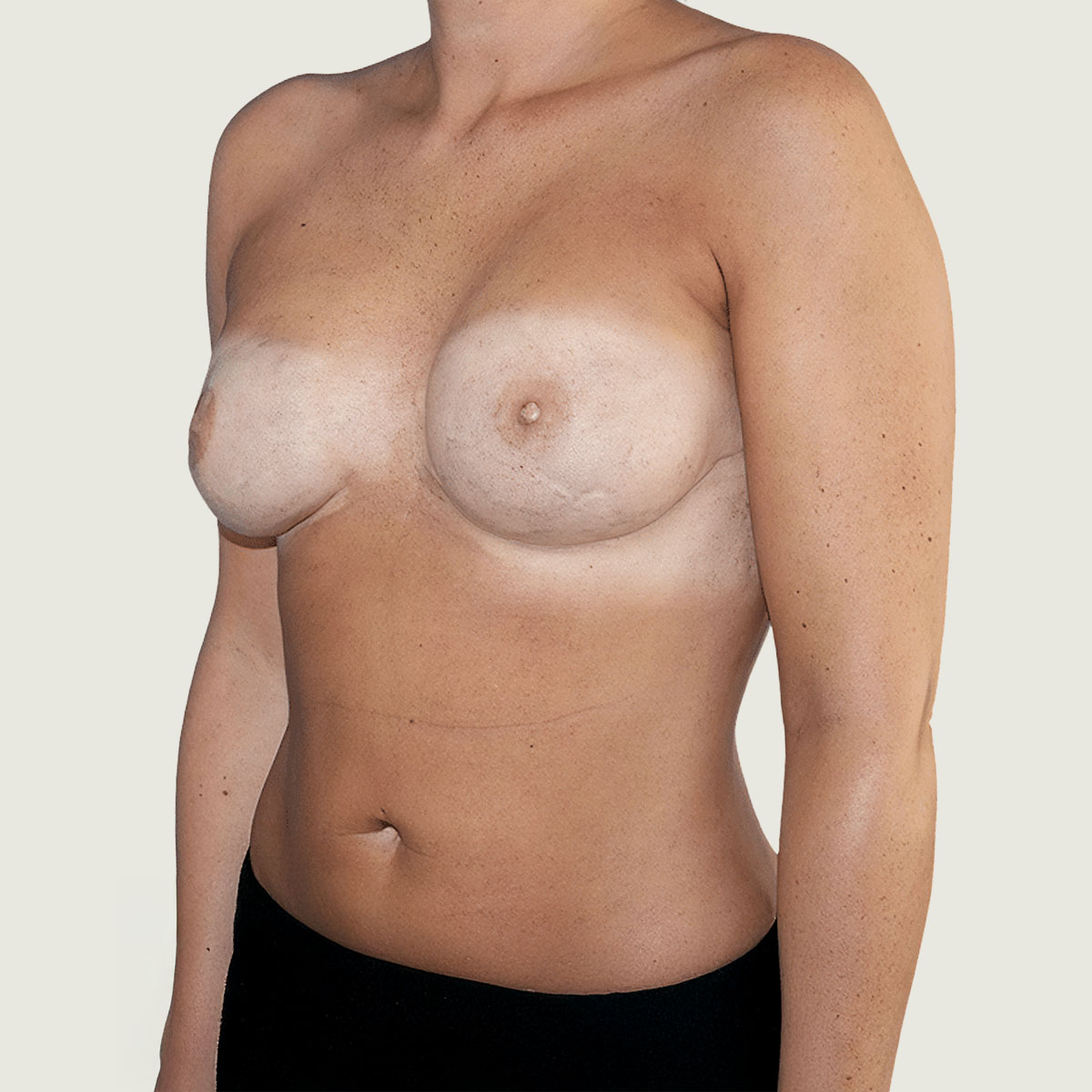
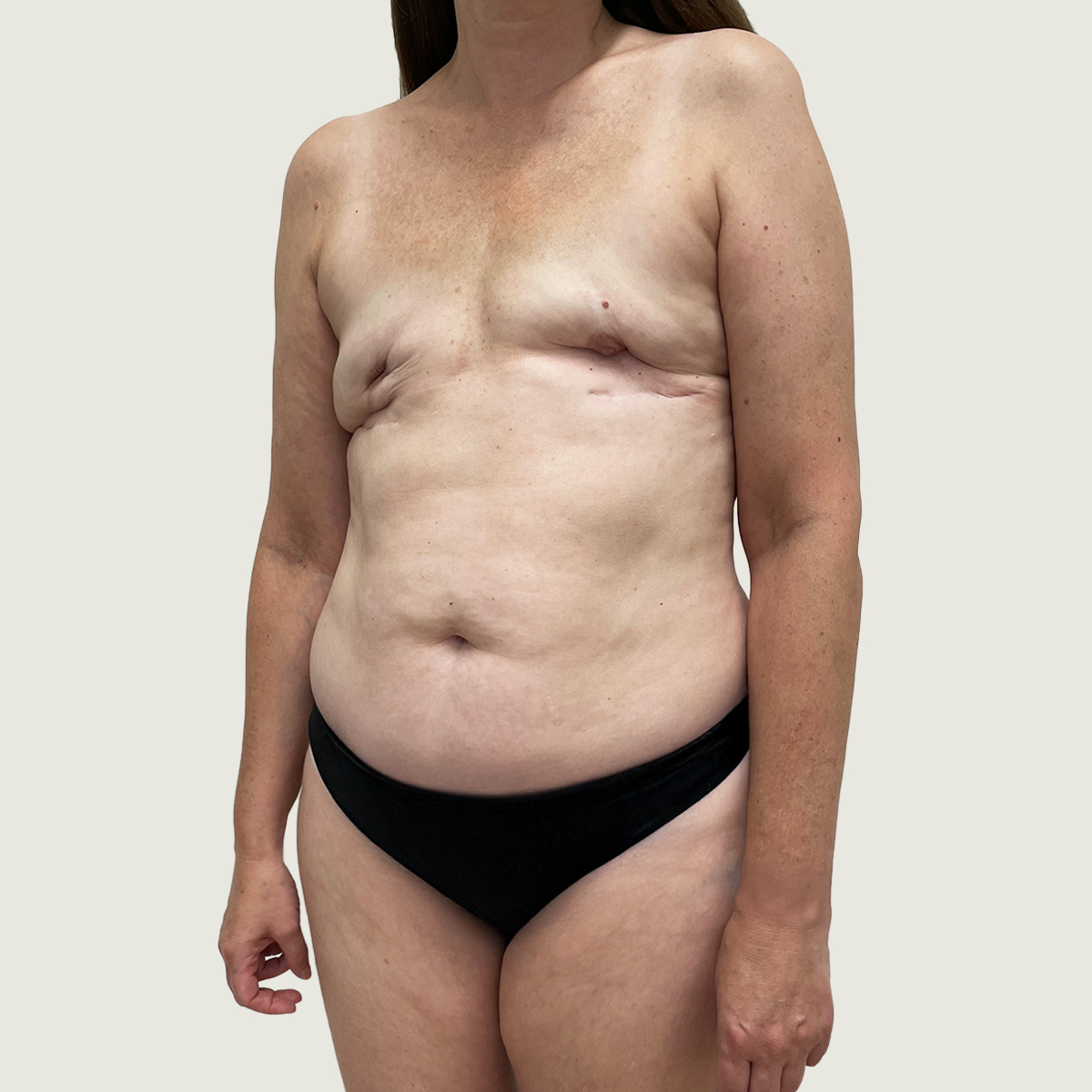
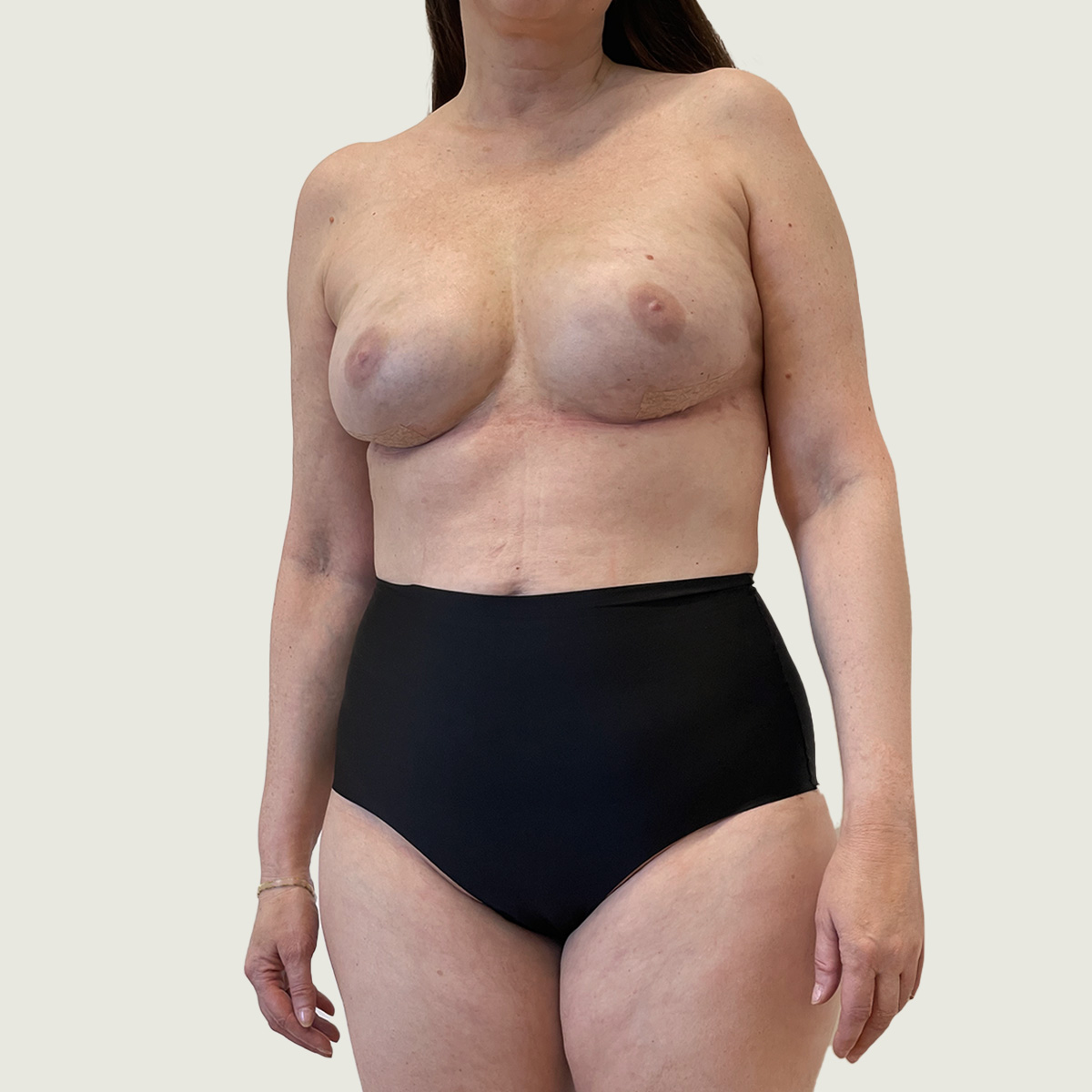
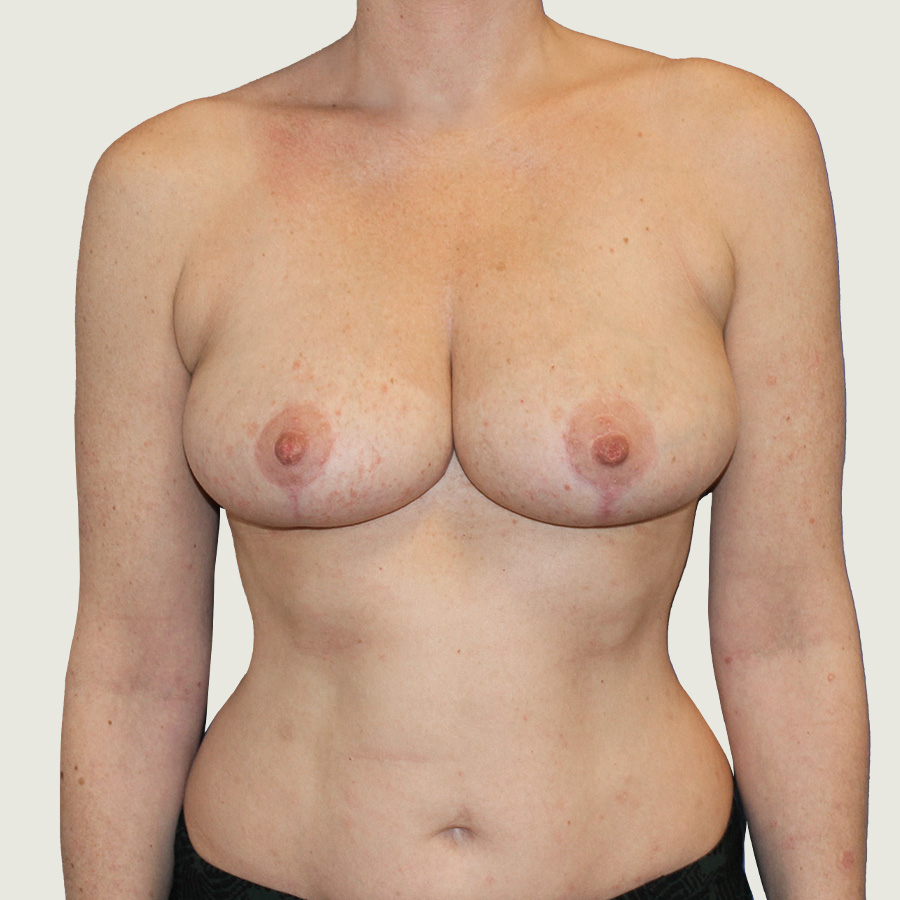
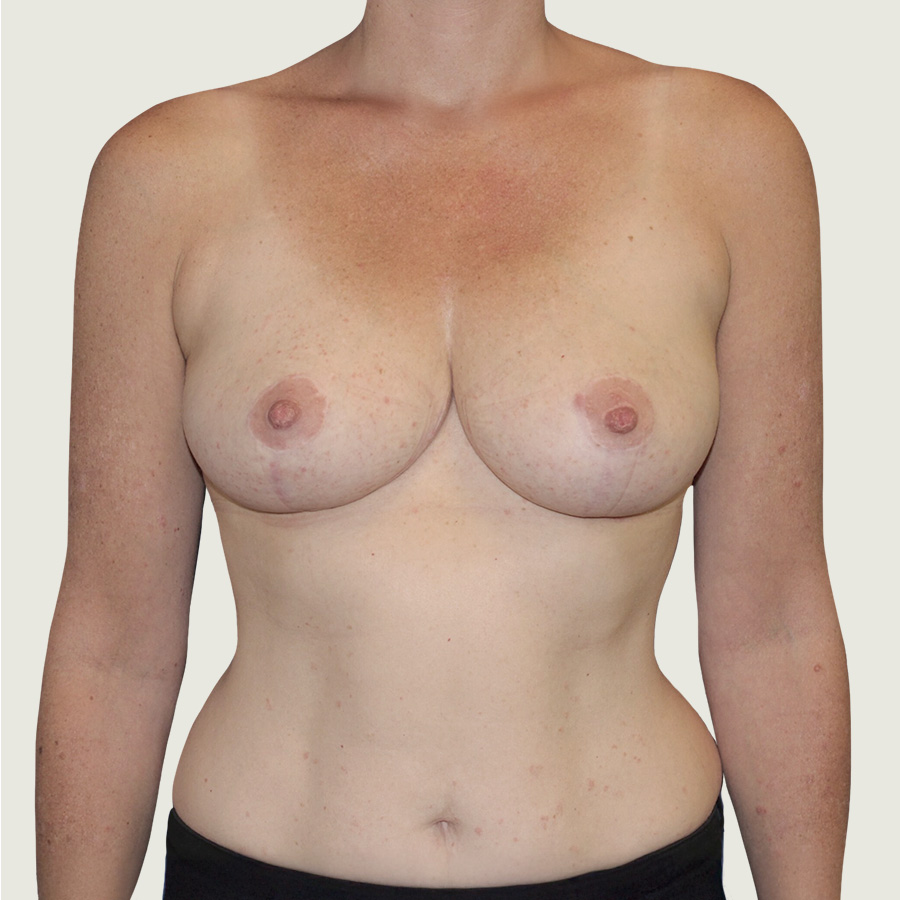
Our before-and-after photos say more than words. Here you get an honest insight into how small adjustments can make a big difference – both in appearance and in confidence.

Before Breast Reconstruction
After Breast Reconstruction
Drag to compare

Breast Reconstruction or Correction

Performed by: Trine Henriksen

Before Breast Reconstruction
After Breast Reconstruction
Drag to compare

Breast Reconstruction or Correction

Performed by: Trine Henriksen

Before Breast reduction
After Breast reduction front
Drag to compare

Breast Reconstruction or Correction

Performed by: Trine Henriksen

Frequently Asked Questions

Find answers to the most common questions about the treatment.

What is the duration of the treatment?

The duration depends on the chosen method and the extent of the procedure:

  • Fat transplantation: Typically 1–2 hours
  • Expander/implant: Often 1–2 hours per operation; multiple stages may be necessary


If there is radiation damage or irregularities of the mastectomy flap, it may be advisable to inject fat one or more times to improve skin quality and ensure an even tissue volume over the implant.

  • Reconstruction: Restoration of one or both breasts after removal due to breast cancer, precancerous conditions, or genetic predisposition
  • Correction: Improvement of shape, symmetry, or scar tissue after previous breast-conserving surgery or reconstruction

The goal is to create a natural appearance and improve quality of life

  • Women who have had one or both breasts removed
  • Women with asymmetry or scar tissue after breast cancer treatment
  • Women experiencing issues after radiation therapy
  • Patients with developmental anomalies of the breast
  • The breast(s) to be reconstructed or corrected
  • Possibly the opposite breast to achieve symmetry (symmetry-restoring breast lift, reduction, or augmentation with implant or fat injection)
  • Donor sites where fat is harvested: can include abdomen, lower back, arms, thighs, and knees

The breast is shaped over time by gradual expansion with an expander, followed by implant placement and/or fat injection. Other methods such as flap surgery and acellular dermal matrix are used depending on the need and desired result. There are several techniques, including:

Fat transplantation: Fat is suctioned from a donor area, purified, and injected into the breast.
Fat transplantation is a gentle procedure in which the patient’s own natural fat tissue is used to alter breast size, shape, or the after-effects of previous breast surgery. We use different techniques and technologies, including Bodyjet and Vaser lipo, with which we first perform gentle liposuction in an area with suitable fat deposits (most often thighs, lower back, or abdomen). The fat cells are rinsed free with the help of fluid, and once the fat tissue is separated from the fluid, it is injected into the area requiring correction. Both liposuction and fat injection are performed with very fine cannulas, resulting in very discreet scars. Fat tissue contains not only fat cells but also stem cells and growth factors, which is why fat transplantation can be used for many types of treatment.

Expander/implant: Breast reconstruction often requires multiple operations:

  1. Operation: A tissue expander is placed, partially covered by the pectoral muscle or under the skin. The procedure is performed under general anesthesia, and you can usually be discharged the same day. The expander is filled with saline once a week on an outpatient basis, starting 8–14 days after surgery. The expander usually requires 4–6 fillings in total.

  2. Operation: The tissue expander is replaced by a permanent silicone implant after 3–6 months. A symmetry procedure can be performed on the opposite breast at the same time, such as a breast lift, reduction, or augmentation with implant or fat. The procedure is performed under general anesthesia, and you can usually be discharged the same day. Nipple reconstruction is performed on an outpatient basis under local anesthesia 3 months after this procedure.

  3. Nipple-areola tattooing is performed on an outpatient basis under local anesthesia 3 months after nipple reconstruction.

  4. After surgery, you will feel soreness in the pectoral muscle for 1–2 weeks. 1–2 weeks after surgery, the expander needs to be filled with saline, which is done on an outpatient basis. The stitches are removed at the same time as the first filling. Usually, 4–6 fillings are required. After 3–6 months, the tissue expander is replaced with the permanent breast implant.

  5. Operation: At the second operation, also performed under general anesthesia, the expander is removed and the permanent implant is inserted through an incision in the old scar. You can usually be discharged the same day. There is little pain after this procedure.

  6. Regarding implant types, an anatomical teardrop-shaped implant with cohesive silicone gel is most often recommended.

  7. Operation: Nipple reconstruction. This procedure can be performed at the earliest 3 months after the above operation and is carried out under local anesthesia on an outpatient basis. You do not need to fast. The nipple is formed from the skin already present after the breast reconstruction. The brown area around the nipple is created using a tattoo 3 months later.

  8. Operation: Nipple-areola tattooing. A tattoo is performed in the area around the nipple 3–6 months after the nipple is formed. The procedure is carried out under local anesthesia. There are no restrictions after the procedure. If the color of the nipple area is too light, the tattooing can be repeated.


The result is generally permanent, but corrections may be needed later in life due to natural ageing changes.

Light activity after 1–2 weeks. Avoid heavy lifting and strenuous physical activity for 4–6 weeks
The final result can only be assessed after several months, especially if multiple stages are involved

The result is usually long-lasting, but ageing, weight changes, and possible radiation therapy can affect the shape of the breast over time.

  • Infection
  • Bleeding or hematoma
  • Scars
  • Sensory disturbances
  • Asymmetry or irregularities
  • With implants:
    • capsular contracture, leakage, or need for replacement

The treatment is planned individually, taking into account previous treatments, skin quality, and body proportions

Do you still have questions?

You are always welcome to contact us. We are ready to answer your questions and help you move forward if you need guidance.